The FAQs are AI-generated, and Fortune India is not responsible for its content or any associated copyright issues.
UPI-linked PM SVANidhi Credit Card to empower street vendors with interest-free digital credit, says PM Narendra Modi
/ 2 min read
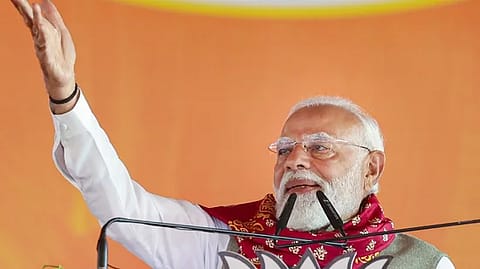
Addressing the gathering, the PM highlighted the importance of affordable and timely credit in helping street vendors stabilize and expand their businesses. | Credits: Narendramodi.in
UPI-linked PM SVANidhi Credit Card to empower street vendors with interest-free digital credit, says PM Narendra Modi
Prime Minister Narendra Modi launched the PM SVANidhi Credit Card in Kerala, offering street vendors an interest-free, UPI-linked credit facility. This initiative aims to enhance financial inclusion, providing instant liquidity and promoting digital payments. The card is part of the expanded PM SVANidhi scheme, which supports urban livelihoods and encourages formal credit history building.
This summary is AI-generated, and Fortune India is not responsible for its content or any associated copyright issues.
UPI-linked PM SVANidhi Credit Card to empower street vendors with interest-free digital credit, says PM Narendra Modi
Addressing the gathering, the PM highlighted the importance of affordable and timely credit in helping street vendors stabilize and expand their businesses. | Credits: Narendramodi.in
Prime Minister Narendra Modi on Friday launched the PM SVANidhi Credit Card, a UPI-linked, interest-free revolving credit facility aimed at strengthening financial inclusion for street vendors, during his visit to Kerala.
As part of the rollout, around one lakh street vendors received PM SVANidhi loans, marking a significant expansion of urban livelihood support in the state.
Addressing the gathering, the PM highlighted the importance of affordable and timely credit in helping street vendors stabilise and expand their businesses. He stated that the new credit card is designed to provide instant liquidity for working capital, while encouraging the adoption of digital payments through the Unified Payments Interface (UPI).
What the PM SVANidhi Credit Card offers
Government officials said the PM SVANidhi Credit Card will function as an interest-free, revolving credit line, enabling beneficiaries to meet daily business needs without turning to informal lenders.
Being UPI-linked, the card simplifies transactions and promotes digital payments, while also helping vendors build a formal credit history, easing access to future banking and financial services.
Evolution of the PM SVANidhi scheme
The credit card represents the next stage of the PM SVANidhi scheme, launched in June 2020 to support street vendors hit by the Covid-19 pandemic. The scheme initially provided collateral-free microloans, along with incentives for timely repayment and digital adoption.
Restructuring, extended timeline and coverage
In August 2025, the Union Cabinet approved a restructuring of the scheme, extending the lending period until March 31, 2030, with a total outlay of ₹7,332 crore.
Recommended Stories
Under the revised framework, first-time loan limits were raised to ₹15,000, second-time loans to ₹25,000, while the third tranche remains at ₹50,000. Vendors who repay their second loan on time become eligible for the UPI-linked RuPay credit card, along with cashback incentives for digital transactions.
The revamped scheme is expected to benefit around 1.15 crore street vendors, including 50 lakh new beneficiaries, with coverage expanding beyond statutory towns to census towns and semi-urban areas.
Broader development push
The rollout in Kerala coincided with the inauguration of new rail services and infrastructure projects, underscoring the government’s broader focus on regional development alongside urban livelihood reforms.
RANK
COMPANY NAME
REVENUE
(INR CR)
(INR CR)
{{#current-rank}} {{current-rank}} {{/current-rank}} {{^current-rank}} {{rank}} {{/current-rank}} {{name}} {{#revenue}} {{revenue}} {{/revenue}} {{^revenue}} {{noi}} {{/revenue}}
Frequently Asked Questions
Explore the world of business like never before with the Fortune India app. From breaking news to in-depth features, experience it all in one place. Download Now