US to announce final Section 301 action on 60 trading partners today; India among countries under scrutiny
USTR chief Jamieson Greer says final response in forced labour-related trade probe will be unveiled ahead of expiry of 10% additional tariffs, with India awaiting clarity on potential impact.
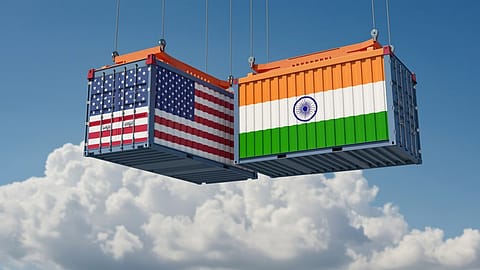
The United States is set to announce its final responsive action under Section 301 investigations covering 60 trading partners, including India, as early as Thursday, marking the next phase of the Trump administration's trade enforcement agenda. The move comes ahead of the expiry of the 10% additional tariffs imposed on imports from all countries and is being closely watched by exporters and policymakers across major trading economies.
US Trade Representative (USTR) Jamieson Greer informed the Senate Finance Committee that the investigations examined whether the top 60 US trading partners had failed to adopt and effectively enforce import bans on goods produced with forced labour. "As soon as tomorrow, USTR will release its final responsive action on its Section 301 investigation of our top 60 trading partners' failure to address international trade in forced goods at their borders," Greer said.
India awaits clarity on final measures
India is among the countries covered by the Section 301 investigations, which were initiated after the USTR concluded that the policies and practices of the economies under review were unreasonable and burdened or restricted US commerce. In June, the USTR proposed additional tariffs ranging from 10% to 12.5% on imports from the affected economies, including India, and sought public comments before finalising the measures.
The proposed action centres on whether trading partners have adequate legal and enforcement mechanisms to prevent the import of goods allegedly produced using forced labour. Section 301 of the US Trade Act empowers Washington to investigate and respond to foreign practices that it considers unfair or discriminatory and that adversely affect US commerce.
India-US trade talks provide backdrop to USTR move
The latest Section 301 investigation was initiated by the Office of the US Trade Representative (USTR) earlier this year to examine whether major trading partners have effective legal frameworks to prevent the import of goods allegedly produced using forced labour. The probe covered the 60 largest US trading partners, including India, and sought public comments before the administration finalised its response.
The development also comes as India and the US continue negotiations on a bilateral trade agreement aimed at expanding market access and resolving long-standing trade issues.
Trade discussions have gathered pace in recent months, with officials from both sides holding multiple rounds of negotiations. Any fresh trade measures under the Section 301 framework are likely to be closely watched, given the broader economic engagement between the two countries and the ongoing efforts to conclude the first tranche of the proposed trade pact.