Centre toys shift to net domestic product instead of GDP for calculating national income; what is NDP all about?
/ 3 min read
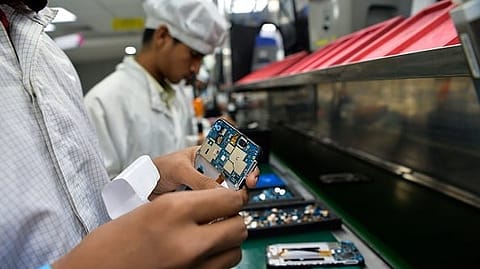
Once it is implemented, NDP, along with accounting for the loss of capital, also encourages the use of better technology | Credits: Getty Images
Centre toys shift to net domestic product instead of GDP for calculating national income; what is NDP all about?
India plans to adopt Net Domestic Product (NDP) calculations by 2029, aiming for a clearer economic picture by accounting for depreciation and environmental impact. This shift from GDP to NDP is expected to enhance sustainability and export value, though it may challenge MSMEs in adopting cleaner technologies.
This summary is AI-generated, and Fortune India is not responsible for its content or any associated copyright issues.
Net Domestic Product (NDP) is one of the parameters used to calculate and measure a country’s economic progress
Once it is implemented, NDP, along with accounting for the loss of capital, also encourages the use of better technology | Credits: Getty Images
Like other developed economies, the Indian government is preparing to start calculating the Net Domestic Product (NDP) and to implement it by 2029, according to reports. Experts say that this is a forward-looking measure, as it will give a clearer picture of the country’s economic growth.
Let’s understand in detail what NDP is and how it is different from Gross Domestic Product (GDP).
What is the Net Domestic Product?
NDP is one of the parameters used to calculate and measure a country’s economic progress. However, NDP is different from GDP, as it shows the value of the economy after deducting depreciation from GDP. It is important to note that GDP shows the value of the overall assets a country has, but NDP reduces the depreciation from those assets.
In economics, depreciation means the gradual loss in the value of assets over time. It usually applies to physical items like machines, buildings, vehicles, or tools that are used in production. As these assets are used year after year, they wear out, become less efficient, or get outdated due to new technology. That loss in value is called depreciation.
“In many developed countries, GDP calculations also include things like environmental damage and the depreciation of capital. In NDP, it goes a step further than GDP. Along with regular economic output, NDP also considers how much value is lost due to environmental harm and wear and tear of assets. In this way, the NDP gives a clearer picture of growth and long-term sustainability,” Nilanjan Banik, Professor at Mahindra University, School of Management, told Fortune India.
Why NDP is important
According to experts, this is important because when countries export products to developed nations, buyers want to know whether those products are made using low-carbon and environment-friendly methods. In simple terms, they check whether environmental sustainability is being followed.
“From this point of view, it is a good step because it makes manufacturers more careful about protecting the environment and reducing pollution. If pollution is not controlled, it directly affects people’s health. We can clearly see this in cities like Delhi and other metro areas, especially during winter,” he explained.
Improving manufacturing, lowering depreciation
Once it is implemented, NDP, along with accounting for the loss of capital, also encourages the use of better technology. For example, when manufacturers use improved technology, the wear and tear on machines is lower. By considering both environmental impact and capital depreciation, the government aims to protect the environment and also promote modern technology in manufacturing.
“This new approach has two clear benefits. First, it gives a more accurate picture of our economic progress. Second, it can increase the value of our exports to developed countries. While GDP growth already shows that the economy is growing, this method is stronger because it also measures how much we care about the environment and technology. Over time, this will support exports and trade agreements,” Banik detailed.
What are the drawbacks of NDP?
However, while NDP has many advantages, it also carries some drawbacks. For instance, experts opine that asking industries to adopt cleaner practices and better technology may be difficult for many MSMEs. Some small businesses may not have the money or capacity to meet environmental standards. This can increase manufacturing costs, and less efficient MSME units may struggle in the short term.
“However, in the long run, this will improve the overall quality of production. As a country becomes richer and per capita income rises, such changes usually happen. In the early stages of growth, pollution is often ignored, but as development continues, environmental concerns become important. This shift is a natural part of economic progress,” he said.
Follow Fortune India
NEXT STORY