IIT Madras releases world’s most detailed 3D Atlas of human brainstem for public research
Developed by the Sudha Gopalakrishnan Brain Centre, the publicly accessible ANCHOR platform maps over 200 brainstem nuclei and fibre tracts using MRI, histology and neurochemical imaging, offering a major boost to neuroscience and disease research.
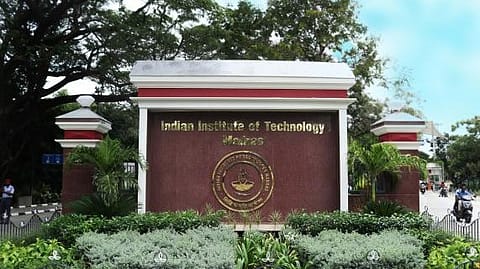
Indian Institute of Technology Madras (IIT Madras) has made the world’s most detailed 3D Atlas of human brainstem, developed by the institute’s Sudha Gopalakrishnan Brain Centre (SGBC), available for public research.
The Atlas of Neurochemical Characterization of the human brainstem with 3D Reconstruction (ANCHOR) comprises the most comprehensive, multi-modal, 3D maps and atlases of the human brainstem to date spanning from prenatal period to childhood and adult brains.
These maps encompass more than 200 brainstem nuclei and fiber tracts, reconstructed from hundreds of serial sections. To resolve distinct neurochemical cell types, eight complementary immunostains were overlaid across more than 500 sections, enabling detailed mapping, IIT Madras said in a statement.
“This is a significant accomplishment in the field of neurobiology. This is a multimodal framework integrating MRI, histology and detailed chemo-architecture. It will be the most detailed and comprehensive maps of the human brainstem and made available publicly in digital form. These maps will help in identifying specific cell populations affected in brain stem lesions which could be critical for clinical applications”, Prof. Ajay Kumar Sood, Principal Scientific Adviser to the Government of India, said.
The researchers have made ANCHOR publicly available to ensure that this cutting-edge research benefits researchers, clinicians and patients around the world. ANCHOR was released during the 3rd BRICS Neuroscience Symposium 2026 held from 5th to 7th June 2026 at the IIT Madras campus.
“I always take pride that at IIT Madras we are exploring a lot of things but this particular exploration puts IIT Madras in the frontiers of the most complex creation that this world has witnessed—the human brain. This Centre is also studying brains affected by different diseases like rabies, dementia and Alzheimer’s disease. We now have a way by which we can say what happens to the basic structure of the brain due to diseases. This is a very important first step in understanding what happens in the human brain” , Prof. V. Kamakoti, Director, IIT Madras, said.
“The key technology platform that makes these atlases widely accessible is our multi-modal image visualisation framework that seamlessly integrates macro-scale volumetric data with micro-scale cellular images. By establishing precise spatial correspondence across these modalities, the atlas enables a seamless transition from gross brain structures in the MRI to cellular-level features”, Prof. Mohanasankar Sivaprakasam, Head of SGBC, IIT Madras, said.