India's small scale fishers facing unpredictable climate risks: Study
/ 2 min read
Diagnostic report urges India’s National Plan of Action for Small-Scale Fisheries to tackle climate-driven storms, shifting seasons and insecure livelihoods through safer working conditions, secure rights and inclusive governance
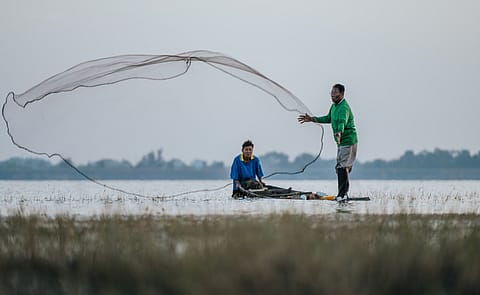
Representative image | Credits: Magnific.com
India’s small-scale fishers are facing increasingly unpredictable climate risks with rising temperature, storm surges, changes in fish availability and shifts in monsoon and fishing seasons emerging as serious threats to their livelihoods, says a diagnostic report of the sector prepared by the Bay of Bengal Programme Inter-Governmental Organisation (BOBP-IGO) for the proposed National Plan of Action for Small-Scale Fisheries (NPOA-SSF).
The report, prepared in collaboration with national experts and with technical guidance from the Food and Agriculture Organization (FAO) of the United Nations is the outcome of the initiation phase of the FAO-guided NPOA-SSF process in India.
It also identified a range of vulnerabilities, including insecure coastal tenure, poor market access, gender exclusion and uneven access to welfare schemes faced by the country’s small-scale fisheries sector.
“The findings of the report underline the need for the proposed National Plan of Action to focus on a comprehensive framework ensuring secure fishing rights, safer working conditions, stronger value chains and inclusive governance”, P Krishnan, Director of BOBP-IGO said.
The report recorded the experiences of fishing communities and identified climate vulnerability as one of the issues that must be addressed proactively in the country’s future small-scale fisheries policy. Fishers reported rising temperatures, changing seasons, stronger storms, changes in fish species, declining sardine catches, unpredictable monsoons and frequent cyclones, highlighting the growing climate-induced risk in the sector.
The document, developed as part of the NPOA-SSF process, showed climate impacts are increasingly visible through more intense cyclones and storm surges and a growing number of rough seas days, leading to loss of fishing days.
Emphasising a proactive action, the document identified disaster mitigation and climate vulnerability as issues that need to be incorporated into policies. It proposed a nationwide audit of disaster-related infrastructure, identification of highly vulnerable areas and compensation mechanisms that can reach affected fishing communities. The adaptation measures should include stronger boats, better weather forecasts, post-disaster compensation, upskilling and alternate livelihood options.
Krishnan said the climate impact varies depending on type of fishing unit, access to infrastructure, financial capacity and ability to recover after a disaster.
In addition to climate woes, poor market access and inadequate post-harvest infrastructure are another major concerns. The fishers reported insufficient storage and processing facilities, difficulty in obtaining fair price and limited access to wider markets. Safety at sea also remained a significant concern with expensive safety equipment and inadequate harbour and landing infrastructure.
The assessment also threw light into limited participation of fishers in resource management and governance. Women make significant contributions to the sector through processing, marketing, seaweed collection and net mending, but their representation in mainstream decision-making structures remains limited, according to the document.
With the completion of the initiation phase, India now entered the development phase of the NPOA-SSF process, and the draft plan will be ready by November 21 this year.
NEXT STORY