The FAQs are AI-generated, and Fortune India is not responsible for its content or any associated copyright issues.
After the anchor lifts: Bose Krishnamachari on stepping away from Kochi-Muziris Biennale and the days ahead
/ 2 min read
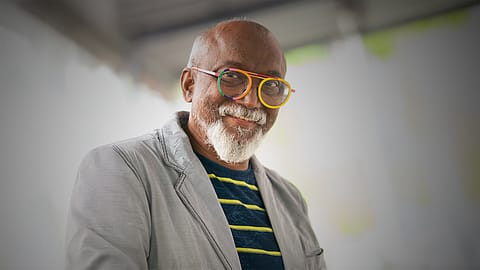
Bose Krishnamachari
After the anchor lifts: Bose Krishnamachari on stepping away from Kochi-Muziris Biennale and the days ahead
This summary is AI-generated, and Fortune India is not responsible for its content or any associated copyright issues.
Bose recently tendered his resignation, sharing a personal message with close associates via WhatsApp, in which he reflected on his 15-year journey with the Biennale
Bose Krishnamachari
Over the last decade and a half, the Kochi-Muziris Biennale has grown into one of the world’s most respected contemporary art events. So, when news broke of its founder, Bose Krishnamachari, stepping down as President, it sent ripples through the global art community. The inevitable question followed: when the anchor is lifted, which direction will the boat now sail?
Bose recently tendered his resignation, sharing a personal message with close associates via WhatsApp. In it, he reflected on his 15-year journey with the Biennale—from its beginnings as an artist-led initiative to its current standing as an internationally celebrated cultural institution. Citing personal and family reasons, Bose said he felt it was the right moment to step back and return more fully to his own artistic practice. Emphasising that the Kochi Biennale Foundation is in a strong position, with future editions already gaining momentum, he expressed gratitude to the Board, collaborators, artists, and the larger creative community that helped shape the Biennale since its founding in 2010.
From its earliest conceptual stages, Bose envisioned Kochi-Muziris Biennale as India’s answer to the Venice Art Biennale. With its historic port town, waterways, and layered cultural past, Fort Kochi emerged as the natural choice — its geography and spirit echoing the romance and scale of Venice. What began as an ambitious idea soon evolved into a landmark event on the global art calendar.
The Biennale’s impact has extended far beyond galleries and exhibition spaces. Every edition has brought thousands of visitors to Fort Kochi, benefiting airlines, hotels, cafés, restaurants, local transport, daily-wage workers, and the wider tourism ecosystem of Kerala. Art, culture, and economy found a rare convergence here.
So why step away now?
“I believe institutions must consistently reinvent themselves and make space for new energies and talent in order to remain accountable, relevant, and exciting,” Bose explains. “The Kochi-Muziris Biennale has reached a stage where it needs fresh perspectives. After years of deep involvement -- conceptual, institutional, and personal — I felt it was the right time to step back. This decision was made with respect for the institution and its future.”
As the sixth edition of the Biennale unfolds, attention naturally turns to what lies ahead — for both the institution and its founder. For Bose, the path forward is firmly rooted in creativity. He plans to focus on his artistic and curatorial practice, spend time with family, and develop new projects. “I will continue being an artist, curator, and scenographer interested in building cultures and new audiences,” he says, adding that the lessons learned from Kochi will travel with him wherever he works next.
And the future of the Kochi-Muziris Biennale?
Bose remains optimistic. “The future will come with surprises,” he says. “Every new curator brings a new vision, and Kochi has always adapted, embraced, and welcomed new ideas. It is a true melting pot of creativity. I have deep faith in the land, the people, and the institution. Stay tuned.”
Frequently Asked Questions
Explore the world of business like never before with the Fortune India app. From breaking news to in-depth features, experience it all in one place. Download Now