Mandatory disclosure of issue expenses, tighter monitoring of fund use needed in SME IPOs: BSE CEO
/ 3 min read
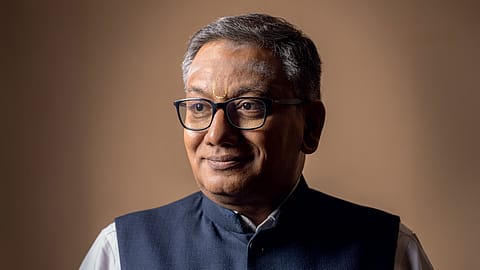
“SMEs are going to play a very vital role,” Ramamurthy said, adding that while bank finance remains important, it may not be sufficient to meet the sector’s growing capital needs
Mandatory disclosure of issue expenses, tighter monitoring of fund use needed in SME IPOs: BSE CEO
Sundararaman Ramamurthy, BSE CEO, calls for enhanced transparency in SME IPOs through mandatory disclosure of issue expenses and clearer fund use monitoring. He stresses the importance of SMEs in capital formation and suggests stronger oversight to protect investor confidence, noting the sector's significant contribution to GDP and employment.
This summary is AI-generated, and Fortune India is not responsible for its content or any associated copyright issues.
Stronger post-issue oversight, including closer involvement of merchant bankers and independent monitoring agencies, would help protect investor confidence, says Sundararaman Ramamurthy
THIS STORY FEATURES
“SMEs are going to play a very vital role,” Ramamurthy said, adding that while bank finance remains important, it may not be sufficient to meet the sector’s growing capital needs
Small and medium enterprises (SMEs) will play a pivotal role in India’s capital formation needs as the economy scales up, Sundararaman Ramamurthy, Managing Director and CEO of BSE, said today.
Calling for higher transparency in SME IPOs, BSE MD said that mandatory disclosure of issue expenses and clearer monitoring of the end use of funds should be considered, as questions often arise over how capital raised in the market is deployed.
“Many times, the end use of funds remains a big question. Capital is raised, but where is the investment?” Ramamurthy said while speaking at the Association of Investment Bankers of India’s (AIBI) 14th Annual Convention in Mumbai on Wednesday.
He said stronger post-issue oversight, including closer involvement of merchant bankers and the appointment of independent monitoring agencies, would help protect investor confidence and ensure the credibility of the SME IPO ecosystem, even as the segment continues to scale rapidly.
He further said that SMEs would be central to this process, noting that India has over six crore SMEs, but only around 1,400 are currently listed across stock exchanges. Despite this, the SME sector contributes nearly 30% to GDP, 42% to exports and provides employment to about 7.5 crore people. Around 21% of SMEs are owned by women, reflecting the sector’s role in promoting entrepreneurship and inclusive growth.
“SMEs are going to play a very vital role,” Ramamurthy said, adding that while bank finance remains important, it may not be sufficient to meet the sector’s growing capital needs. “Banks have fiduciary responsibilities and can fund only up to a level. Should not SMEs be encouraged to raise risk capital? We should, and we are,” he said.
Highlighting the role of SME IPO platforms, Ramamurthy said BSE currently has about 691 listed SMEs, of which nearly 200 have migrated to the main board. These companies have raised around ₹14,000 crore through the markets and today command a combined market capitalisation of about ₹2 lakh crore, demonstrating a clear growth pathway from SME listings to larger platforms.
He said the SME ecosystem is diversified across industries and sectors, but geographical concentration remains a challenge, with just two states accounting for nearly 70% of SME listings. “It is not that there are no SMEs in other states. Maybe we have not been able to find and convert them. Can we do more? Clearly, it looks like we can,” he said.
Ramamurthy noted that the BSE SME IPO index has delivered annualised growth of around 52%, underscoring the sector’s growth potential. To improve listing quality, BSE has introduced an artificial intelligence-based platform to assist merchant bankers and streamline scrutiny of offer documents.
“We have processed around 150 prospectuses, with a rejection rate of about 25%,” he said. “That means we can do a better job when applications are brought in. We have been able to reduce processing time and improve quality.”
He suggested closer post-issue involvement of merchant bankers and wider use of independent monitoring agencies. “In cases where we feel there is a need, we insist on appointing a monitoring agency and keeping funds in a separate escrow-like mechanism,” Ramamurthy said, adding that such practices should become standard to protect investor confidence and the reputation of the SME segment.

Follow Fortune India
NEXT STORY