The FAQs are AI-generated, and Fortune India is not responsible for its content or any associated copyright issues.
Dignity and well-being: Retail’s non-negotiable foundations for growth
/ 5 min read
Long hours, shifting and variable schedules, and continuous customer interaction are the realities of working on the sales floor daily. As such, dignity and well-being are the key drivers of sustained performance and consistent delivery of the consumer experience in this type of environment.
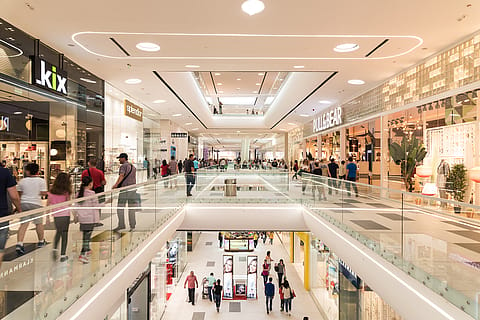
The retail sector involves extended hours and varying time slots, and it includes physical and emotional labour, which puts continual pressure on frontline associates. (Representational image) | Credits: Shutterstock
Today’s modern retail is supported by employees working long shifts, with varied schedules, and still managing all customer interactions with a smile, except on holidays or weekends, especially in large retail stores in India. Across the country, the front-line employees are the heart of retail, as most positions involve direct consumer interaction. Associates, cashiers, and floor managers shape the next consumer’s perception of the retail organization. Hence, when discussing retail growth, organisations must first focus on the dignity and well-being of their employees. Long hours, shifting and variable schedules, and continuous customer interaction are the realities of working on the sales floor daily. As such, dignity and well-being are the key drivers of sustained performance and consistent delivery of the consumer experience in this type of environment.
This is the day-to-day setting for retail employees, where the fundamental belief is in creating customer satisfaction and achieving sustainable success.
The Great Place To Work India report, "India Best Workplaces in Retail 2026", provides a clear picture of both the urgency and the opportunity. Retail trust has increased with the Trust Index Grand Mean up to 86% in 2026 from 85% the previous year. However, overall employee sentiment has remained at 88%. The retail industry continues to excel in performance; however, the day-to-day experience of employees appears to be plateauing in terms of dignity and well-being.
The dignity deficit and the impact on your customers
Our study further found that two out of five employees do not feel a sense of dignity at work. As the retail industry faces high levels of customer interaction and frontline work, dignity is a critical component for an employee's overall experience. When employees do not feel they are being treated with respect or that they are being heard, the ability to build trust and retain employees will deteriorate. When employees do feel they are treated with dignity, results soar. Trust scores rise to 92%, employees going above and beyond exceed 91%, and the intent to remain with the company rises to 94%. Conversely, when employees do not feel that they are treated with dignity, trust (40%), and intent to stay (35%) decline dramatically. This is not merely an employee sentiment issue; it is a potentially damaging risk to the P&L statement.
Dignity serves as a barrier against the many daily stressors retail employees encounter, such as the pressure of peak shopping seasons, the resolution of escalating customer issues, and the unpredictability of their schedules. When employees do not feel they are treated with dignity, they become cautious and hesitant to be proactive, fearing mistakes and disengaging from the company's brand promise. Otherwise, if treated with respect, they feel safe bringing their best selves to work, addressing customer issues quickly, and advocating for customers.
Burnout is real, but preventable
The retail sector involves extended hours and varying time slots, and it includes physical and emotional labour, which puts continual pressure on frontline associates. A significant element contributing to the problem is the negative impact of burnout on employees. Our study reveals that burnout among retail employees stands at 24%, driven by long working hours, irregular work schedules, and relentless emotional strain. However, this reduces to 12% among employees who feel the manager is approachable and shows sincere interest rather than seeing them as mere resources.
Well-being gaps are widening according to roles in the organisation
Emotional wellness perceptions drop from 86% at the executive or leadership levels to 42% for individual contributors: that is, the very group who provides the face to the brand (Point of Sale). If frontline individuals do not feel valued, performance volatility will increase. The study also found that although management competence scores 90% in Indian retail, there is a 5-point gap in authentic connection (85%), indicating that employees often miss the human side of leadership. Therefore, the gap between strategic and authentic connection indicates a greater need for empathy, listening, fairness, psychological safety, and genuine engagement.
The retention conundrum: 42% of employees are considering exiting
Even though more young workers (Gen Z +6% YoY) and a higher percentage of women (+3% YoY) are joining India's retail workforce, there are still challenges in establishing long-term relationships with them. It is one of the industries with the highest intent to leave amongst employees, with 42% of all retail workers indicating intent to exit, while overall attrition rates exceed 30-35%, the highest of any Industry category.
Building dignity and well-being into operations
1) Establish a standard of dignity
Set clear expectations that foster an environment of respect, appreciation, and equity for every employee by rewarding those who exceed them, creating a place where people feel valued. Include these expectations in managers’ KPIs and in their coaching process. Reinforce the behaviours during floor walks, huddles, and interactions with other leaders. It is well established that the level of dignity experienced within an organisation directly impacts employees' trust in the organisation, their willingness to go the extra mile, and their likelihood of remaining employed.
2) Develop manager capabilities for authentic relationships
The sector shows a five-point gap between leadership’s strategic cohesion (90%) and authentic connection (85%). Provide "presence hours" on the shop floor, coach managers on having 1:1 conversations with employees, and set times when employees can have informal discussions with managers. Approachable managers reduce employee burnout by half and enhance employees' perception of overall well-being.
3) Ensure fair and humane scheduling
In retail, flexibility is important to meet demand, publish schedules well in advance, ensure rotation of peaks on a continuous basis, honour micro-breaks, and provide fair shift-swap protocols. These fundamentals help alleviate fatigue, enabling your associates to provide the emotional energy necessary for consistent service.
{{#most-powerful-women-snapshot-individual.slug}} {{/most-powerful-women-snapshot-individual.slug}} {{^most-powerful-women-snapshot-individual.slug}} {{/most-powerful-women-snapshot-individual.slug}} {{#showRanking}} {{current-rank}} {{/showRanking}} {{#photo.0.url}}
{{name}}
Organisations must build accountability by including scheduling fairness in KPIs and regularly reviewing adherence. Over time, by creating a predictable and humane schedule, organisations and leaders can build trust, reduce absenteeism, and improve employees' well-being and the customer experience.
4) Institutionalise wellness and emotional well-being
Develop your wellness programme to offer daily means of intervention rather than on an ad hoc basis, e.g., hold huddles to normalise asking for help and train managers to identify stress signals so they can engage your associates when triggered.
Managers can have very simple, easily repeatable practices, such as a check-in with employees first thing in the morning before the shift starts. Organisations must ensure that all managers have clear escalation protocols for employee needs and the resources necessary to assist in a timely and consistent manner. Over time, leaders can build a culture of wellness, increase employee resilience, reduce employee fatigue and burnout, and improve the overall quality of service provided.
5) Address the gaps that exist for women, Gen Z, and mid-tenure resources
Women in retail experience a lesser connection and recognition than men (-4 points). Gen Z rate lower than millennials on work-life balance, leadership connection, and job security (-2 points each), and mid-tenure resources rate lowest on fair promotion (-8 points) and management follow-through (-6 points). Organisations need to focus their resources on manager outreach and on developing fair promotion processes and skills visibility to reduce early exits.
The retail industry's continued success also relies on consistency; consistency relies on people; and people perform great when dignity and well-being are present and non-negotiable.
Every day, the stores shape the customer experience in retail. As retail businesses grow in India, new ways to connect with multiple customers and create unique customer experiences will be prioritized. Because the frontline employee is the brand of a retail organization, we can expect investments in employees' dignity and well-being, which, in turn, will build trust. Trust is built through investments in your employees and through the positive experience your customers have when interacting with them. To sustain future growth, organisations must create a culture in which all employees are treated with respect, supported, and continuously feel valued, as this is essential to sustained business performance.
(The author is the managing director, certification & recognition, Great Place to Work® India. Views are personal.)
Follow Fortune India
Frequently Asked Questions
NEXT STORY