The FAQs are AI-generated, and Fortune India is not responsible for its content or any associated copyright issues.
Rohit Jain takes over as RBI Deputy Governor; central bank allocates portfolios among four DGs
/ 2 min read
Jain, a veteran central banker, will oversee critical portfolios, including forex, debt management, fintech, and financial markets regulation.
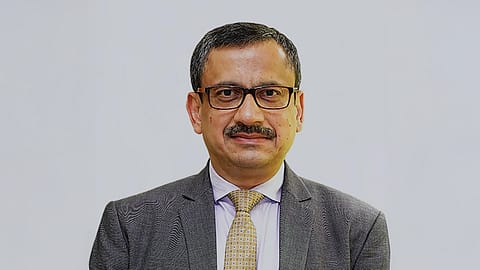
Rohit Jain, who previously served as Executive Director at the RBI, brings over 34 years of experience within the institution. | Credits: RBI
Rohit Jain on Monday took charge as the new Deputy Governor of the Reserve Bank of India (RBI) for a three-year term on Monday announced the appointment of Rohit Jain as its new Deputy Governor, with the seasoned central banker assuming charge for a three-year term. The appointment follows a Government of India notification dated May 2, 2026, and comes at a time when the central bank is navigating complex market and regulatory challenges.
Jain, who previously served as Executive Director at the RBI, brings over 34 years of experience within the institution. His elevation underscores the central bank’s continued preference for internal leadership in key roles, particularly at a time when continuity in supervision and market operations remains critical.
As Deputy Governor, Jain will oversee as many as 10 departments, spanning core areas such as foreign exchange, internal debt management, fintech, and financial markets regulation—making his role one of the most operationally significant within the RBI’s top leadership structure.
Wide-ranging portfolios signal operational focus
The RBI has assigned Jain a diverse and high-impact portfolio, including the Department of External Investments and Operations, Foreign Exchange Department, Internal Debt Management Department, and Financial Markets Regulation Department. He will also supervise emerging areas such as the Fintech Department and the Risk Monitoring Department, reflecting the regulator’s growing focus on technology and systemic risk.
Additionally, Jain will handle the Department of Information Technology and the Department of Government and Bank Accounts, both crucial to the RBI’s internal functioning and its interface with the government.
This allocation places him at the centre of India’s monetary operations architecture, particularly in managing liquidity, currency flows, and market stability.
Internal elevation with global exposure
A career RBI officer since 1991, Jain has held several senior roles, including Chief General Manager in the Department of Supervision and at the New Delhi regional office. As Executive Director, he was responsible for supervisory assessment, a critical function amid rising regulatory scrutiny.
His experience also extends to global regulatory forums. Jain has represented the RBI at the Basel Committee on Banking Supervision and Financial Stability Board groups, indicating exposure to international banking standards and systemic risk frameworks.
Rejig at the top: Four Deputy Governors, distinct mandates
With Jain’s appointment, the RBI’s four Deputy Governors now have clearly demarcated responsibilities. While Swaminathan Janakiraman will continue to handle supervision, financial inclusion, and legal functions, Poonam Gupta oversees monetary policy and economic research. Shirish Chandra Murmu remains in charge of currency management, regulation, and payment systems.
The redistribution highlights a functional specialisation approach within the RBI’s top leadership, aimed at sharper policy execution and regulatory oversight.
Jain’s appointment and the accompanying portfolio reshuffle come at a time when the RBI is balancing inflation management, financial stability, and rapid digitisation—making leadership continuity and domain expertise critical to policy effectiveness.
Follow Fortune India
Frequently Asked Questions
NEXT STORY