Over 6 in 10 digital wallet users oppose RBI’s proposal to cut wallet limits: Survey
/ 3 min read
Under the draft framework, the RBI has proposed increasing the maximum outstanding balance for Full-KYC wallets to ₹2 lakh but reducing the monthly cash top-up limit sharply from ₹50,000 to ₹10,000.
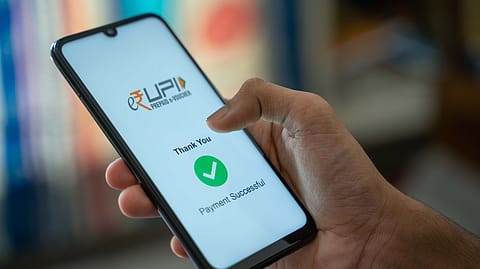
Around 62% of respondents said lower limits would inconvenience them because they use digital wallets regularly for everyday payments. | Credits: Shutterstock
A majority of digital wallet users in India are opposed to any reduction in wallet limits proposed by the Reserve Bank of India (RBI), with over six in 10 respondents saying the central bank should either retain existing thresholds or increase them, according to a new survey by LocalCircles.
The findings come as the RBI reviews feedback on its draft Master Direction on Prepaid Payment Instruments (PPIs), 2026, released in April to replace the existing 2021 framework.
India’s rapid shift toward digital payments, led by Unified Payments Interface (UPI), digital wallets and prepaid payment instruments, has made app-based transactions an integral part of daily life. Wallets are now widely used for commuting, grocery purchases, utility payments, recharges and merchant transactions, making proposed changes to storage, and transaction limits a closely watched issue.
Under the draft framework, the RBI has proposed increasing the maximum outstanding balance for Full-KYC wallets to ₹2 lakh but reducing the monthly cash top-up limit sharply from ₹50,000 to ₹10,000. The proposal also introduces a uniform ₹25,000 monthly cap on person-to-person transfers, mandates interoperability across UPI and card networks, requires immediate refunds for failed transactions and tightens compliance norms to address fraud and anti-money laundering concerns.
To gauge consumer sentiment, LocalCircles surveyed more than 43,000 digital wallet users across 304 districts in India.
Majority want limits retained or increased
According to the survey, 63% of respondents said the RBI should retain current wallet limits or increase them. Of this, 33% supported increasing limits as digital wallet usage continues to grow, while 30% felt current limits are adequate and should remain unchanged.
Another 23% said wallet limits should vary depending on the level of KYC and user authentication completed. Only 7% supported reducing limits to lower fraud and misuse risks while another 7% remained undecided.
The findings suggest users increasingly view digital wallets as an essential payment tool rather than a financial risk requiring tighter restrictions. This question received responses from 22,259 users.
Users fear inconvenience from lower limits
The survey also assessed how users believe reduced wallet limits would affect their daily transactions.
Around 62% of respondents said lower limits would inconvenience them because they use digital wallets regularly for everyday payments.
Meanwhile, 26% said they would shift to bank accounts or UPI for higher-value transactions, and 17% indicated they may revert to cash usage. Additionally, 19% said lower limits would reduce access to rewards and offers, while another 19% believed lower balances could reduce fraud exposure and improve security.
{{#most-powerful-women-snapshot-individual.slug}} {{/most-powerful-women-snapshot-individual.slug}} {{^most-powerful-women-snapshot-individual.slug}} {{/most-powerful-women-snapshot-individual.slug}} {{#showRanking}} {{current-rank}} {{/showRanking}} {{#photo.0.url}}
{{name}}
Notably, 38% of respondents said reducing wallet limits would not meaningfully curb fraud and would instead inconvenience genuine users. About 31% said the changes would not significantly impact them. This question received responses from 21,356 users, with respondents allowed to select multiple options.
Industry feedback likely during consultation
The survey findings indicate broad support among consumers for maintaining flexibility in digital wallet usage, particularly as adoption deepens across metro cities and smaller towns.
LocalCircles said it plans to submit the findings to the RBI and other stakeholders as part of the consultation process on the draft PPI Directions. While users appear supportive of measures such as stronger security, interoperability and faster refunds, the survey suggests many prefer stable or higher wallet limits, potentially linked to stronger KYC, and authentication standards rather than blanket restrictions.
The survey included responses from users across 304 districts. Of the total respondents, 66% were men and 34% were women. Around 42% of respondents were from tier-1 cities, 33% from tier-2 locations and 25% from tier-3, tier-4, tier-5 and rural districts. Participation was limited to validated citizens registered on the LocalCircles platform.
NEXT STORY