US to offer $750 fast-track visa interview appointments from July 1: Who can apply and what it means
/ 3 min read
According to a temporary final rule published by the US State Department in the Federal Register, the pilot programme will run from July 1 to December 31, 2026.
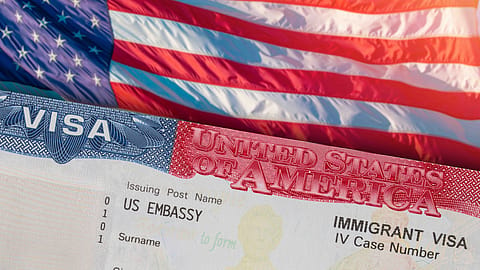
The service is designed as an optional premium offering and will be available only at select locations and in limited quantities. | Credits: Shutterstock
The United States is set to launch a six-month pilot programme that will allow certain visitor visa applicants to pay an additional $750 for an expedited interview appointment, offering a faster route to securing a visa interview slot amid persistent concerns over appointment wait times.
According to a temporary final rule published by the US State Department in the Federal Register, the pilot programme will run from July 1 to December 31, 2026, and will be available for eligible B1/B2 visa applicants at selected US embassies and consulates.
What is the new $750 expedited interview programme?
Under the pilot, eligible applicants seeking B1/B2 visitor visas for business or tourism purposes can pay an additional fee of $750 to secure a visa interview appointment within 10 business days at participating consular posts.
The service is designed as an optional premium offering and will be available only at select locations and in limited quantities.
However, the State Department has clarified that the fee only provides faster access to an interview appointment. It does not guarantee visa approval, nor does it expedite post-interview administrative processing.
How much will applicants have to pay?
The new fee comes on top of the standard non-immigrant visa application fee.
Currently, applicants for B1/B2 visitor visas are required to pay a non-refundable visa application fee of $185. Those opting for the expedited appointment service will therefore pay a total of $935.
Who is eligible?
The programme applies exclusively to applicants seeking B1/B2 non-immigrant visas for business, tourism or medical travel.
Applicants must first complete all standard visa requirements, including:
Filling out the DS-160 visa application form
Paying the regular visa application fee
{{#most-powerful-women-snapshot-individual.slug}} {{/most-powerful-women-snapshot-individual.slug}} {{^most-powerful-women-snapshot-individual.slug}} {{/most-powerful-women-snapshot-individual.slug}} {{#showRanking}} {{current-rank}} {{/showRanking}} {{#photo.0.url}}
{{name}}
Scheduling a standard visa appointment
Only after completing these steps can eligible applicants choose the paid expedited appointment option, where available.
Why is the US introducing this service?
According to the State Department, the new service is intended for applicants who do not qualify for existing emergency or priority appointment channels but are willing to pay for earlier access to an interview slot.
The move is aimed at providing an alternative pathway for travellers facing long appointment queues, particularly in countries where visa demand remains high.
What happens to existing emergency appointments?
The introduction of the paid service does not affect current emergency and humanitarian appointment options.
Applicants can still request expedited appointments without paying an additional fee under certain circumstances, including:
Humanitarian emergencies
Urgent travel requirements
Mission-supported referrals
Priority appointments requested by authorised US government personnel
The State Department said these channels will continue to operate separately from the new pilot programme.
Will paying $750 improve visa approval chances?
No. The premium fee only shortens the wait for an interview appointment. Applicants must still satisfy all eligibility requirements for the visa category they are applying for and undergo the standard consular review process.
Visa officers will continue to make decisions based on existing immigration laws and eligibility criteria.
Which embassies and consulates will offer the service?
The State Department has not yet released the list of participating embassies and consulates. According to reports, the locations offering the service will be announced before the programme begins on July 1.
How does this affect Indian applicants?
For Indian travellers, the key takeaway is that the programme addresses appointment availability rather than visa issuance.
Applicants willing to pay the additional fee may be able to secure interview slots significantly faster at participating consulates. However, they will still need to complete the standard visa process and qualify for the visa on merit.
The pilot comes amid broader efforts by the Trump administration to tighten and reform visitor visa procedures. It follows the introduction of a separate visa bond pilot programme in 2025 for certain B1/B2 applicants from countries identified as having high visa overstay rates or other screening concerns. For now, the new programme offers one thing above all else: a faster place in the interview queue, not a faster visa decision.
Follow Fortune India
NEXT STORY