
6 in 10 newer petrol vehicle owners report over 10% mileage drop; survey flags possible fuel adulteration concerns
ADVERTISEMENT
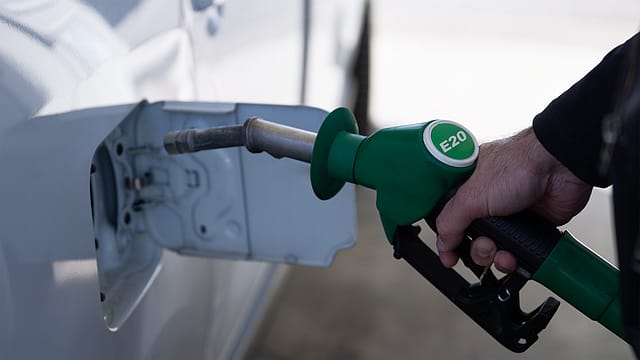
India's ethanol-blended petrol programme has come under fresh scrutiny after a LocalCircles survey found that nearly six in 10 owners of petrol vehicles purchased during 2023-24 have experienced a fuel efficiency decline of over 10% since early 2025, significantly higher than the 3-5% mileage loss attributed by the government to E20 fuel. The findings have raised fresh concerns over possible fuel adulteration or contamination in the country's petrol supply chain.
The survey, conducted among more than 22,000 owners of 2023-24 petrol vehicles across 277 districts, comes as the Centre accelerates ethanol blending and evaluates the rollout of E25 fuel. The government has maintained that E20 may reduce mileage by only 3-5% due to ethanol's lower calorific value, while directing states to crack down on fuel adulteration and supply-chain lapses.
Automakers, including Mercedes-Benz, have also indicated that many consumer complaints could stem from adulterated fuel rather than the E20 blend itself.
Majority report mileage losses beyond official estimates
The survey found that 59% of owners of petrol vehicles purchased in 2023-24 reported a mileage decline of more than 10% since early 2025. Among them, 25% experienced a drop exceeding 20%, while 16% reported a decline of 15-20% and another 18% saw mileage fall by 10-15%. Overall, 72% of respondents reported some reduction in fuel efficiency, whereas only 18% said they had not witnessed any impact.
LocalCircles said the extent of the reported decline "cannot be explained by the 3-5% impact the Government attributes to the ethanol blend alone," adding that the findings point to the "likelihood of a petrol adulteration or contamination problem affecting fuel quality even for the newest 2023-2024 vehicles."
Similar trend seen across older vehicles
The study also found that 66% of owners of petrol vehicles manufactured before 2023 reported mileage losses of more than 10%, indicating that the issue is not confined to older engines. According to LocalCircles, the similar experience across both newer and older vehicles suggests that fuel quality, rather than vehicle age or design, should be investigated.
The report further pointed to a widening gap between official and real-world estimates. While the Automotive Research Association of India (ARAI) estimates E20-related efficiency losses at 1-6%, several independent tests have pegged the decline at 8-12%. It also noted that ethanol's lower administered price compared with retail petrol creates a potential economic incentive for over-blending beyond the mandated 20%, which could translate into higher mileage losses.
Calls for independent fuel-quality testing
LocalCircles has urged the Ministry of Petroleum and Natural Gas and oil marketing companies to undertake independent fuel-quality audits and publish retail-level ethanol blend conformity data instead of relying solely on conventional adulteration checks.
"The scale of the mileage drop reported by owners of petrol vehicles purchased in 2023-2024 makes independent, on-ground fuel-quality testing all the more essential," the platform said. It added that it will escalate the findings to the ministry and other authorities to ensure petrol sold at retail outlets conforms to prescribed E20 specifications.