
Explained: Delhi EV policy 2026—what’s new, who benefits, and what it means for buyers and automakers
ADVERTISEMENT
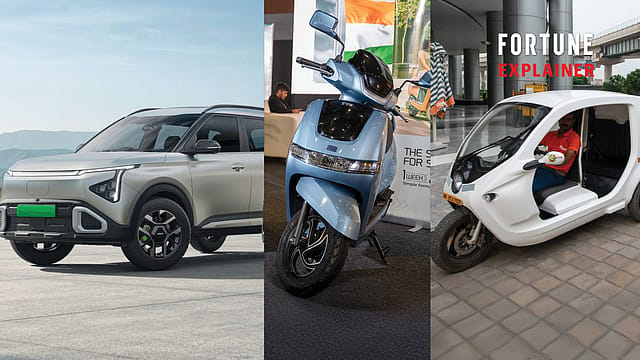
The Delhi Cabinet has approved the Electric Vehicle (EV) Policy 2.0, which aims to make battery-driven models account for 95% of all new vehicle registrations in the national capital by 2027. The state government plans to invest ₹15,000 crore over the next four years to strengthen the EV ecosystem, including charging infrastructure and incentives, as it looks to reduce air pollution and promote cleaner transport.
The policy builds on Delhi’s earlier EV roadmap but introduces fresh incentives and clear timelines for shifting key vehicle segments to electric mobility. It also sends a strong signal to automakers that the capital is committed to expanding EV adoption over the long term.
What’s new in the policy?
The biggest changes are the purchase subsidies and mandatory electrification targets. Buyers of electric two-wheelers will receive a subsidy of ₹30,000, while electric three-wheeler buyers will get ₹50,000 during the first year of the policy. Owners of Bharat Stage-IV (BS-IV) four-wheelers will also be eligible for a ₹1 lakh scrappage incentive.
The policy also sets timelines for the transition. Only electric autorickshaws will be registered in Delhi from January 1, 2027, while registrations of new petrol and diesel-powered two-wheelers will end from April 1, 2028.
Who stands to benefit?
Consumers are expected to benefit from upfront purchase incentives and the scrappage scheme, making EV ownership more affordable. The policy is also likely to support demand for manufacturers with wider battery-powered vehicle portfolios, including Tata Motors, Mahindra, TVS Motor, Bajaj Auto, Ather Energy, Ola Electric, MG Motor India and Mahindra Last Mile Mobility. Charging infrastructure companies and other businesses linked to the EV ecosystem could also see increased opportunities.
The policy is also expected to encourage automakers to expand their electric vehicle offerings in Delhi, while prompting investments in charging networks and after-sales support. Over time, a stronger EV ecosystem could improve consumer confidence and accelerate the shift towards cleaner mobility.
What’s not included?
Unlike the draft policy, the final version does not offer tax concessions or subsidies for hybrid vehicles. This reflects the Delhi government’s focus on promoting fully electric vehicles rather than hybrid technologies. If implemented as planned, the policy could become a model for other states looking to accelerate the transition to zero-emission mobility.