
India–US interim trade deal signals selective opening for autos; components and engineering seen as bigger winners
ADVERTISEMENT
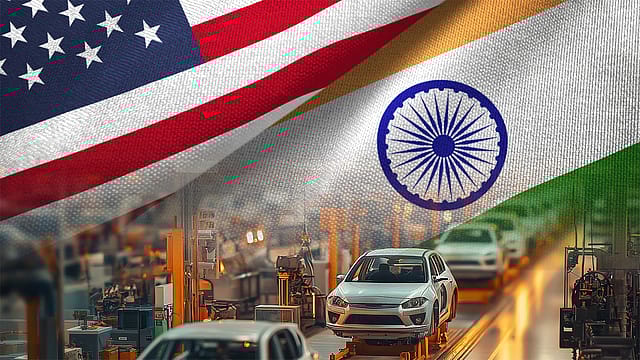
India’s automobile industry is taking a measured view of the interim trade agreement framework announced by New Delhi and Washington, with early signals suggesting a calibrated opening for high-end vehicle imports while reserving the largest gains for auto components, engineering and supply-chain integration, as per industry stakeholders.
The framework allows limited tariff concessions for select imported vehicles, including a quota-based reduction in duties on large internal combustion engine cars above 3,000cc, with levies set to fall from 110% to 50% initially and taper to zero over a decade. While the move could marginally improve access for premium US vehicles and electric models, industry executives say affordability constraints will keep volumes modest.
Affordability caps impact of premium imports
Even with phased duty reductions, fully imported premium vehicles are likely to remain priced above ₹1 crore, restricting demand to a narrow segment. As a result, the agreement is unlikely to materially alter the competitive landscape for mass-market passenger vehicles or two-wheelers in the near term.
Components, supply chains emerge as clear gainers
Where the industry sees more durable upside is in components, manufacturing competitiveness and India’s role in global automotive programs. The Automotive Component Manufacturers Association of India (ACMA) said the framework reflects a clear intent to strengthen bilateral manufacturing and supply-chain partnerships. Preferential tariff rate quotas for auto parts and the removal of select US tariffs could improve export competitiveness and accelerate technology collaboration, the body noted.
Engineering and R&D: India’s quieter strategic advantage
Global automakers with established engineering operations in India are also viewing the deal through a strategic lens. “India already plays a larger role as an engineering and R&D base than as a premium sales market,” said Ravi Bhatia, Managing Director, JATO Dynamics India. He added that smoother cross-border movement of components and engineering inputs could deepen India’s integration into global vehicle platforms.
Automakers such as Stellantis say reduced trade barriers could support both exports and the introduction of select global models, though decisions will remain calibrated and volume-led rather than opportunistic.
What the India–US Interim Trade Agreement means
The interim framework is a stepping stone toward a broader India–US Bilateral Trade Agreement (BTA) launched in February 2025 by Prime Minister Narendra Modi and US President Donald Trump. India has agreed to eliminate or reduce tariffs on US industrial goods and select agricultural products, while the US will apply reciprocal tariffs of 18% on Indian-origin goods, with scope for removal upon successful conclusion. The agreement also includes preferential access for Indian auto components, removal of select Section 232 tariffs, and commitments to address non-tariff barriers across key sectors.