
From "missed call" narrative to massive tariffs: Key takeaways from the recent India-US trade standoff
ADVERTISEMENT
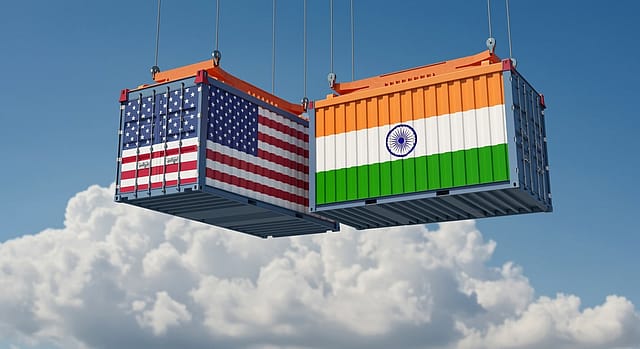
Earlier this week, US Commerce Secretary Howard Lutnick dropped a geopolitical bombshell. On Thursday, he claimed that a major trade deal between India and the United States fell through because Prime Minister Narendra Modi refused to personally call President Donald Trump to "close" the agreement.
This came just 24 hours after another ominous development: Senator Lindsey Graham announced that President Trump had "greenlit" the Sanctioning Russia Act of 2025. This proposed legislation mandates a tariff increase to at least 500% on goods and services imported from Russia. Crucially, the bill also targets imports from third-party nations—specifically naming India, China, and Brazil—if they are found to "knowingly engage" in the exchange of Russian-origin petroleum products.
Meanwhile, following recent US military operations in Venezuela, a new energy corridor is emerging. There are growing indications that India could become a beneficiary of Venezuelan oil under a strictly Washington-controlled framework. Reliance Industries, India's largest private crude importer, is reportedly in active talks with the US State and Treasury Departments to resume purchasing Venezuelan crude as an alternative to sanctioned Russian barrels.
The Ministry of External Affairs (MEA) has officially dismissed Lutnick's claims regarding the "missing call" as "not accurate," clarifying that PM Modi and President Trump spoke eight times in 2025 alone. Regarding India's energy strategy, the MEA maintained that the country is "carefully monitoring" developments but remains committed to securing affordable energy for its 1.4 billion people.
As the standoff intensifies, here are the key takeaways from this collision of personal diplomacy, energy geopolitics, and trade warfare.
Lutnick’s "missing call" allegation
Commerce secretary Lutnick claimed that US negotiators had "set up" the entire trade deal, but it required a final call from PM Modi to President Trump to "close" it. Lutnick alleged that Indian officials were "uncomfortable" with this requirement, and because the call was not made, India "missed the train" while other nations like Vietnam and the Philippines secured agreements. The MEA rejected Lutnick’s narrative, clarifying that PM Modi and President Trump held eight separate phone conversations in 2025 alone. The MEA spokesperson said that India has been ready to conclude a mutually beneficial deal and that the delay cannot be attributed to a lack of communication at the leadership level.
The "Sanctioning Russia Act of 2025"
The proposed legislation, which Senator Lindsey Graham states has Trump’s approval, mandates a tariff hike to 500% on goods from Russia. Crucially, the bill also targets third-party countries—specifically naming India, China, and Brazil—if they are found to "knowingly engage" in the exchange of Russian-origin petroleum products. Currently, many Indian goods are subject to a 50% duty, comprising a 25% "reciprocal" tariff and an additional 25% "punitive" levy imposed due to India’s continued purchase of Russian oil.
Reliance’s pivot to Venezuela
Reliance Industries has clarified that it is not expecting any Russian crude for the current month. The company is actively seeking a specific permit from the US government to import Venezuelan "Merey" grade crude, a heavy oil variety that serves as a technical substitute for Russian grades in its refineries, according to a report by Reuters.
Supreme Court decision deferred
On January 9, the US Supreme Court declined to issue a ruling on the challenge to President Trump’s use of the International Emergency Economic Powers Act (IEEPA). This law is the legal basis for the current emergency tariffs. A ruling against the administration could potentially invalidate billions of dollars in collected duties.
Walking a tightrope
Despite the looming threat of 500% tariffs, the Indian government maintains that its energy procurement is guided by domestic needs. The MEA reiterated that its priority is ensuring energy security for its population. The Indian stock market, on the other hand, recorded its worst weekly drop in over three months. Equity benchmarks Sensex and Nifty extended their losing streak into a fifth session on Friday as investors remain concerned about the geopolitical uncertainties.