
Global disruptions threaten costs more than supply chains; quick commerce is reshaping food retail, says AWL MD
ADVERTISEMENT
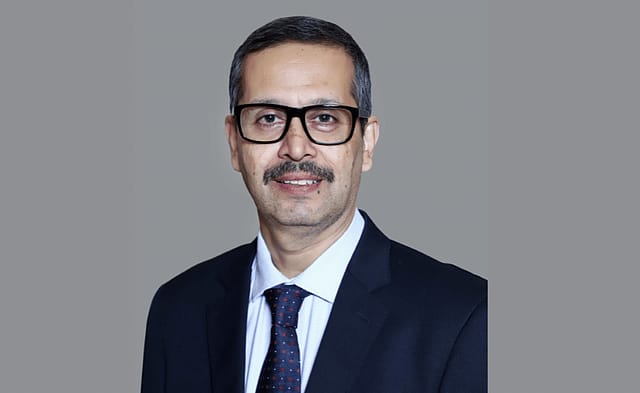
Geopolitical tensions and volatile commodity prices, rather than supply chain bottlenecks, pose the biggest risk to consumer goods companies, according to AWL Agri Business managing director and CEO Shrikant Kanhere, who said a prolonged global crisis could make it increasingly difficult to absorb rising costs without passing them on to consumers.
Speaking on the impact of the ongoing West Asia conflict and weather-related disruptions, Kanhere told Fortune India that AWL’s business has so far remained insulated from major supply disruptions because most of its edible oil imports originate from Indonesia, Malaysia and Argentina rather than the conflict-hit region.
“For us, more impact comes from the price. Prices going up or the commodity market becoming volatile, that is the biggest impact,” he said, adding that vessel availability and freight costs have become more challenging as geopolitical tensions persist.
He noted that while supply chain issues remain manageable, inflation in raw materials has intensified since the Middle East crisis began.
“The cost of materials, chemicals and everything has gone up. If we are dealing with brands like us, we are able to pass it on. But after some point of time you are not able to pass on everything to consumers,” Kanhere said. “If this crisis continues, we will have a challenge on the cost front.”
According to Kanhere, exports could see some impact, particularly shipments to the Middle East, where the company has a presence. Domestic operations, however, are expected to remain largely unaffected because the sourcing routes for edible oils do not pass through the conflict zone.
AWL Agri Business reported consolidated revenue of ₹21,465 crore for the March quarter of FY26, up 18% year on year, while net profit rose 54% to ₹293 crore. For the full financial year, revenue increased 17% to ₹74,731 crore, although net profit declined 15% to ₹1,045 crore due to a higher base and one-off gains in the previous year.
Quick commerce emerges as a long-term growth driver
Kanhere also said quick commerce is fundamentally changing how food companies reach consumers and will account for a much larger share of sales over the next decade, although traditional trade will continue to remain the backbone of India’s retail distribution.
“We personally feel that this alternate channel is big and it is shifting very fast. Quick commerce is not only putting all of us closer to the consumer but also is enabling us to understand what exactly the consumer wants,” he said.
The company has rapidly expanded its presence across digital channels over the past decade. “Ten years back we were not there. Today in food we are selling close to 25% through alternate channels,” Kanhere said.
While he dismissed the idea that quick commerce would replace kirana stores or general trade, he expects its role to become much more significant.
“I am not saying that general trade will go down. General trade will always remain because that is the core of any distribution. But there would be a significant weightage that quick commerce or e-commerce will have in the next 10 years,” he said.