
Gold retains sheen amid festive build up despite PM Modi's appeal; light, studded pieces high in demand
ADVERTISEMENT
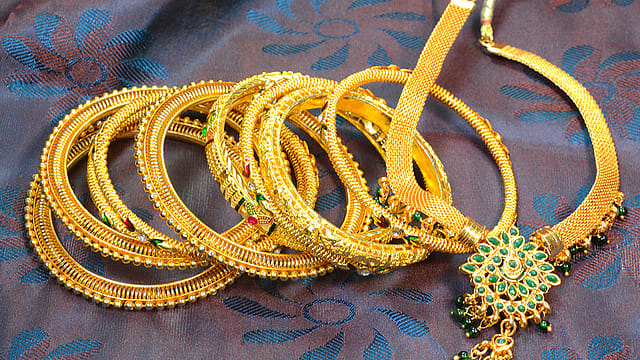
Prime Minister Narendra Modi has twice urged Indians to avoid non-essential gold purchases. Despite that, retailers say they are seeing stronger demand for lighter, everyday and studded pieces, even as gold prices remain elevated.
Jewellers say the underlying appetite for festive and wedding jewellery remains intact, but the composition of spending is changing. Consumers are increasingly looking beyond heavy, occasion-only sets towards lightweight designs, diamonds and platinum, while exchange schemes and financing options are helping them manage high gold prices.
Younger buyers reshape festive jewellery demand
This is particularly visible among younger consumers. According to De Beers India, Gen Z and millennials account for 86% of the natural diamond jewellery market by value, with Gen Z alone contributing 51%. Moreover, 52% of acquired diamonds are now worn every day, up from 27% in 2014. Outside weddings, 64% of natural diamond jewellery purchases are made for oneself, pointing to a growing self-purchase and self-expression trend.
CaratLane CMO Shaifali Gautam said consumers are buying jewellery more frequently and personally rather than waiting for weddings or major occasions. Lightweight designs, 14KT and 9KT gold and studded jewellery are seeing strong demand, she said, adding that Tier 2 and Tier 3 markets are showing similar momentum to metros, with Dhanteras, Teej and Durga Puja emerging as important purchase occasions.
Preceding festive demand, CaratLane's revenue grew 42% in Q1 FY27, while buyers increased 28% and its studded jewellery business grew 43% year-on-year. The retailer now has more than 388 stores and plans to add 40-50 stores in FY27.
At Kalyan Jewellers, consolidated revenue in Q1 FY27 rose 38% excluding bullion to ₹10,589 crore, while net profit increased 32% to ₹349 crore. India same-store sales grew 28%, despite a 28-day inauspicious period that typically weighs on wedding purchases. Its younger, digital-first brand Candere saw revenue rise 112%.
Gold stays central, but consumers are finding ways around high prices
The shift does not mean gold is losing its place in festive consumption. Rather, retailers are seeing consumers alter how they buy it. At Zen Diamond India, managing director Neil Sonawala said buyers are moving from heavy sets towards lighter pieces that can be worn daily and dressed up for celebrations. With gold prices remaining elevated, natural diamonds and platinum are benefiting as consumers diversify their jewellery spending.
Old-gold exchange is also becoming an important route to new purchases. Sonawala said store footfall has remained strong ahead of the festive season, aided by the company's zero-cost, zero-down-payment and zero-interest EMI scheme and its old-gold exchange programme.
This comes even as Modi has renewed his appeal to Indians to avoid buying gold unless necessary, the second such call this year in order to contain the ripple effects of the West Asia war amid concerns over India's foreign exchange outgo. India's gold imports touched a record $71.98 billion in FY26, up 24% from the previous year, despite import volumes falling 4.8% to 721 tonnes.
Retailers, however, do not expect the appeal to materially derail festive jewellery demand. "Weddings and festive gifting are not discretionary purchases in India; they happen regardless of where gold prices sit," Sonawala said. Kalyan Jewellers' Ramesh Kalyanaraman similarly said the appeal is aimed at discretionary gold buying, while festive and wedding jewellery remains closely tied to tradition, milestones and family.
For the next two quarters, the expectation is therefore not of weaker jewellery consumption, but a different mix of spending. De Beers expects India's natural diamond market, which grew 13% over the last year, to sustain a 12% CAGR through 2030. Tanishq, meanwhile, reported more than 30% growth in studded diamond jewellery in Q1.