
Implement price ceiling, demand 74% consumers as hotel rates skyrocket to lakhs ahead of AI summit in Delhi
ADVERTISEMENT
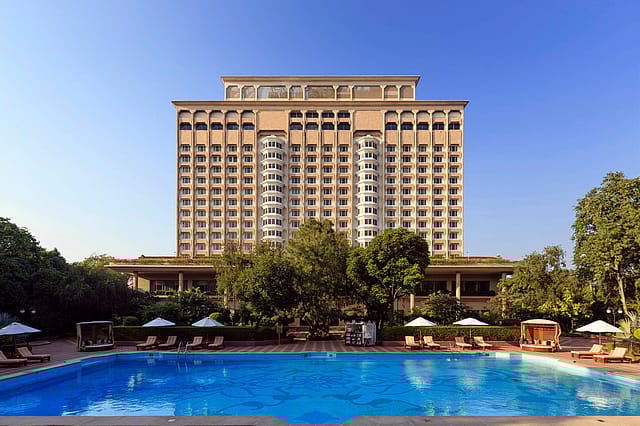
Hotel rooms in New Delhi are witnessing a multi-fold surge in their per-night tariffs as the national capital prepares to host the India AI Summit from February 16-20, 2026. While the summit is expected to witness the presence of some of the most influential names in global technology, the burden falls on consumers who are seeing exorbitant prices for hotel rooms. A five-star hotel suite in New Delhi can reportedly go up to ₹20 lakh per night during the summit days.
Growing trend of surge pricing
This is not a problem specific to New Delhi. Last year, hotels nearby DY Patil Stadium in Navi Mumbai, where Coldplay performed, charged up to ₹5 lakh for three nights according to consumer complaints. Similarly, the 2023 Cricket World Cup saw prices jump 3–5 times the regular rack rates. Currently, 5-star hotels in Central Delhi are charging over ₹60,000 a night, while 4-star hotels—typically priced at ₹6,000—are selling rooms for over ₹30,000.
Widespread consumer dissatisfaction
In response to this trend of "profiteering," a nationwide survey by LocalCircles, receiving over 34,000 responses from 307 districts, highlights a massive public outcry for regulation. According to the survey, 57% of consumers have experienced excessive charging by hotels at least once in the last three years. Specifically, 7% of respondents reported paying steep rates almost every time they booked.
Public demand for price caps
As a result, 71% of consumers are now in favour of implementing a price ceiling on hotel room rates. When asked how this should be structured, the most popular opinion—held by 49% of respondents—is that the maximum rate should not exceed two times the standard rack or regular rate. An additional 11% suggested a cap of five times the minimum rate charged.
Seeking a regulatory solution
The demand for government intervention is even stronger regarding oversight. 74% of consumers demand that the government establish a price ceiling and appoint a formal body to resolve complaints related to profiteering. Regarding the choice of regulator, 39% of respondents believe a separate regulator should be established under the Ministry of Tourism. Others suggested the Competition Commission of India (22%) or the Central Consumer Protection Authority (13%) should monitor compliance.
Balancing growth and affordability
While the hoteliers' lobby typically prefers a free-market approach where supply and demand dictate tariffs, only 26% of consumers agree that the government should not regulate hotels. The overwhelming majority feels that without a proactive policy, both domestic and international tourists will continue to suffer during major events.