
India-UK FTA to take effect from July 15, marking new phase in trade ties
ADVERTISEMENT
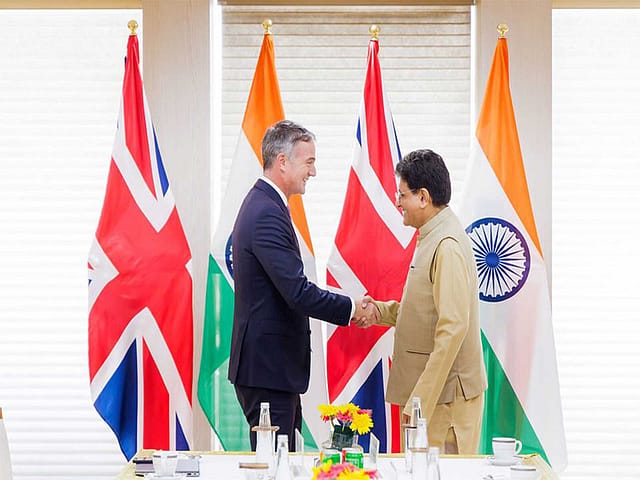
The India-UK Free Trade Agreement (FTA) will come into force on July 15, 2026, marking a major shift from negotiation to execution in one of India’s most significant trade partnerships with a developed economy.
The commerce ministry on Wednesday confirmed that the Comprehensive Economic and Trade Agreement (CETA), signed on July 24 last year, will be operational from the scheduled date. In a joint announcement, both sides said the agreement has completed all required domestic and procedural formalities for implementation.
“In a major stride for India’s global economic engagement, India and the United Kingdom today announced that the CETA will enter into force on 15th July 2026,” the ministry said in an official statement.
Final countdown as implementation framework is activated
The confirmation effectively signals the end of the preparatory phase and the beginning of implementation, with officials on both sides aligning legal and administrative processes over recent months.
The British High Commissioner described the development as the “final countdown” to operationalisation of the pact, underlining that the agreement has now moved into its execution stage after sustained diplomatic and technical engagement.
The FTA is expected to reduce tariffs across key goods segments, expand market access for services, and strengthen regulatory cooperation between the two economies. For India, the deal is seen as a boost for export-oriented sectors such as textiles, engineering goods, pharmaceuticals, and IT services, while also improving access for British firms in India’s fast-growing market.
Social security pact to ease cross-border mobility
Alongside the trade agreement, the Agreement on Social Security—also known as the Double Contribution Convention (DCC)—will also take effect on July 15.
The mechanism is expected to ease mobility for professionals and companies by preventing double social security contributions for employees working across India and the UK, a long-standing industry demand aimed at lowering compliance costs and improving workforce flexibility.
Renewed diplomatic push sets the tone for rollout
The implementation comes amid renewed political engagement between Prime Minister Narendra Modi and UK leadership, including discussions on the sidelines of the G7 Summit that helped reaffirm momentum behind the pact.
Analysts say the agreement could mark a structural reset in India-UK economic relations. “The real test now is execution. If implemented smoothly, this could significantly deepen trade integration and investment flows between the two economies,” an industry executive said.
With the July 15 rollout locked in, both governments are expected to shift focus toward customs alignment, regulatory coordination and sector-specific facilitation measures, formally ushering in a new phase in bilateral economic ties.