
IndiGo swings to ₹382 crore Q1 loss as fuel bill soars 86%; revenue climbs 20% to ₹24,584 crore
ADVERTISEMENT
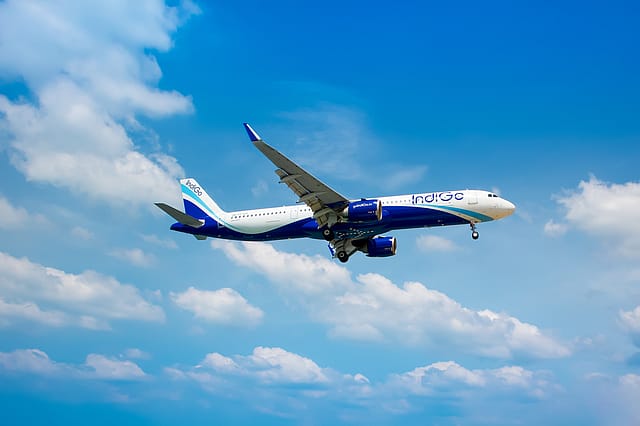
InterGlobe Aviation, the parent of IndiGo, reported a standalone net loss of ₹382 crore for the first quarter of FY27 as soaring aviation turbine fuel (ATF) prices, adverse foreign exchange movements and disruptions arising from the Middle East conflict weighed heavily on profitability, overshadowing robust revenue growth.
The airline had posted a standalone net profit of ₹2,161 crore in the corresponding quarter last year. Revenue from operations rose 20% year-on-year to ₹24,584 crore during the April-June quarter from ₹20,496 crore a year earlier, driven by healthy passenger demand and higher fares.
However, total expenses climbed 35.1%, primarily due to an 85.7% jump in aircraft fuel costs to ₹10,830 crore, significantly squeezing margins.
Fuel price shock, Middle East disruption hit earnings
IndiGo said a combination of elevated fuel prices, adverse foreign exchange movements and the Middle East conflict hurt profitability during the quarter. Airlines that do not hedge fuel costs, including IndiGo, came under pressure after the Iran conflict pushed crude oil prices above $100 per barrel during much of the reporting period, sharply increasing jet fuel expenses.
Commenting on the performance, Managing Director Rahul Bhatia said the airline operated in a volatile environment marked by elevated fuel costs and network-related constraints in the Middle East. However, demand remained healthy, supported by improved yields and continued customer preference, with IndiGo serving more than 31 million passengers during the quarter.
Bhatia added that while the company continued to focus on prudent capacity management, cost discipline and operational agility, higher fuel costs and rupee depreciation resulted in a loss of around ₹200 crore during the quarter. He reiterated IndiGo's long-term focus on strengthening its network, expanding customer choice and creating sustainable value for stakeholders.
Passenger traffic remains resilient; IndiGo expects flat capacity in Q2
Operationally, IndiGo continued to post resilient traffic numbers. Capacity increased 2.9% year-on-year to 43.5 billion available seat kilometres (ASKs), while passenger traffic rose 0.7% to 31.3 million. Yield improved 21.3% to ₹6.04, although load factor declined by 1.3 percentage points to 83.3%.
As of June 30, the airline had a total cash balance of ₹52,885 crore, comprising ₹39,039 crore in free cash and ₹13,846 crore in restricted cash. Looking ahead, IndiGo expects capacity in the second quarter of FY27 to remain broadly flat compared with the year-ago period due to seasonally weaker demand and continuing operational uncertainty affecting India-West Asia routes. The airline, however, expects aircraft utilisation to improve progressively as market conditions normalise.