
N. Chandrasekaran resigns as Tata Sons chairman after nine years
ADVERTISEMENT
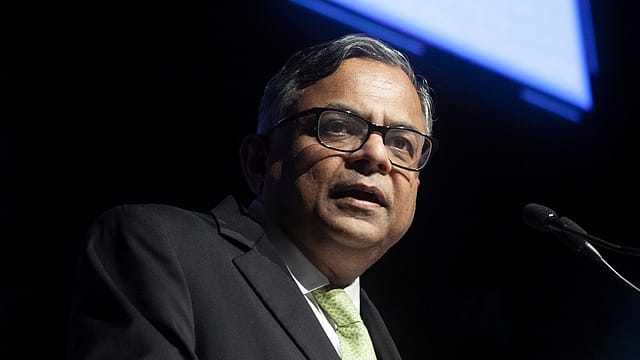
N. Chandrasekaran has resigned as chairman of Tata Sons after nearly nine years at the helm of the Tata Group’s principal holding company, marking the beginning of a significant leadership transition at one of India’s largest business conglomerates. Chandrasekaran, who took charge in 2017, will continue until the end of his current term as a director and is not expected to seek reappointment, according to people familiar with the development.
His resignation comes amid growing differences with Noel Tata, chairman of Tata Trusts, which owns about 66% of Tata Sons. The tensions have centred on governance, board representation and strategic issues concerning the holding company, including its regulatory status and the possibility of a listing.
A key point of contention has been Tata Sons’ classification as an upper-layer non-banking financial company (NBFC-UL) by the Reserve Bank of India. The regulatory requirement to list such an entity has long posed a strategic dilemma for Tata Sons. The holding company had sought to avoid a public listing by surrendering its NBFC registration, but the issue remains central to the group’s governance and ownership structure.
The two sides have also differed over the future of Tata Sons’ board and the proposed exit of the Shapoorji Pallonji Group, which held an 18.34% stake in the holding company. The separation from the Pallonji family has significant implications for Tata Sons’ ownership and board dynamics.
Chandrasekaran’s tenure also saw Tata Sons commit substantial capital to new businesses, including airlines, electronics, semiconductors, batteries and digital ventures. While these investments were intended to build the group’s next engines of growth, several newer businesses have required sizeable funding and continue to accumulate losses, adding pressure on the holding company.