
Nirav Modi held liable for ₹100 crore Bank of India dues as London court rejects defence, tightens recovery pressure on fugitive diamantaire
ADVERTISEMENT
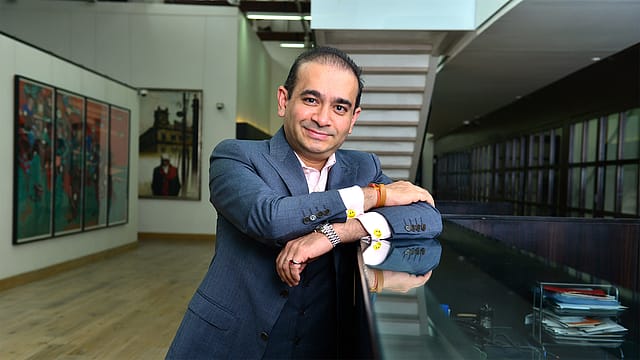
Fugitive diamantaire Nirav Modi has been held personally liable for dues exceeding $10.7 million (around ₹100 crore) after the London Circuit Commercial Court ruled in favour of the Bank of India, according to multiple media reports. The court rejected his defence in a civil recovery suit, marking another setback in ongoing global enforcement actions against him.
Presiding Judge Simon Tinkler held that Nirav Modi is liable under a personal guarantee he executed in August 2013 for a 2012 loan facility extended by Bank of India to Firestar Diamond FZE, a Dubai-based entity linked to his business operations. The guarantee formed the core of the bank’s recovery claim.
The court ordered repayment of the principal amount of $4.1 million along with accrued interest, taking total liability beyond $10.7 million. It also dismissed arguments questioning the validity of demand notices and service of summons.
Court upholds guarantee, rejects procedural challenges
Nirav Modi’s legal team argued that the personal guarantee was unenforceable and that he had not received valid demand notices. The court rejected both claims, holding that service of documents was properly carried out, including delivery to the UK prison where he is currently detained.
Judge Tinkler stated that the procedural objections could not override contractual obligations, thereby affirming the enforceability of the guarantee and removing key legal hurdles in the recovery case.
The court also noted that by early 2018, Firestar Group’s financial position had deteriorated significantly amid emerging allegations in the Punjab National Bank (PNB) fraud case. It referred to evidence indicating that Nirav Modi himself had acknowledged that adverse media attention had impacted the company’s ability to service debt.
PNB fraud backdrop and cross-border recovery push
The case is part of wider recovery proceedings linked to the ₹13,000 crore PNB fraud, one of India’s largest banking scandals involving alleged misuse of Letters of Undertaking.
Nirav Modi has been in UK custody since 2019 and continues to contest extradition to India while pursuing parallel legal remedies abroad. Civil recovery actions by Indian banks remain active across multiple jurisdictions.
The ruling strengthens enforcement efforts by Indian lenders, reinforcing the principle that personal guarantees remain legally binding across borders, even as criminal proceedings continue separately.