
PHDCCI sees export gains from India–US interim tariff deal, flags relief for pharma, gems and textiles
ADVERTISEMENT
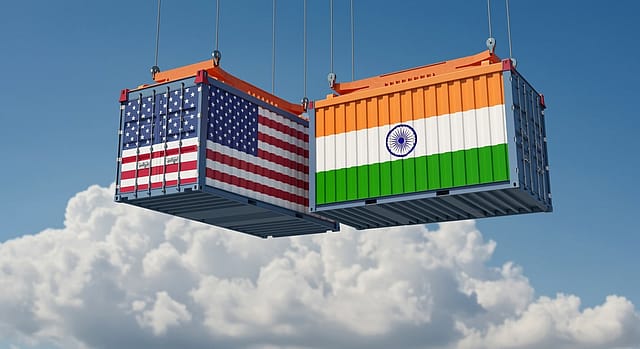
The interim tariff agreement between India and the United States could improve market access for Indian exporters across several key sectors, as the two countries move closer to a comprehensive Bilateral Trade Agreement (BTA), said industry body PHDCCI.
India and the United States have operationalised an interim tariff agreement as part of ongoing negotiations to expand bilateral trade and move towards a comprehensive Bilateral Trade Agreement (BTA). The arrangement introduces selective tariff reductions and removals, offering near-term relief to exporters on both sides while discussions continue on a broader trade framework covering goods, services, digital trade and investment.
“The Governments of India and the United States have finally signed an interim tariff agreement aimed at reducing trade barriers and strengthening bilateral economic cooperation,” said Rajeev Juneja, president of PHDCCI. He added that the framework was agreed upon during ongoing negotiations to expand two-way trade and lay the groundwork for a full BTA.
The interim agreement, which has now come into effect, introduces selective tariff reductions and removals while broader trade negotiations continue. According to Juneja, the United States will apply a reciprocal tariff rate of 18% on Indian-origin goods such as textiles, apparel, leather and footwear, plastics and rubber, organic chemicals, home décor, artisanal products and certain machinery.
At the same time, tariffs on specific Indian export categories — including generic pharmaceuticals, gems and diamonds, and aircraft and aircraft parts — are scheduled for removal, subject to successful implementation and finalisation of the agreement.
Juneja said the US will also lift certain national security-related tariffs earlier imposed on Indian aircraft and aircraft parts under steel, aluminium and copper-related measures. “This will benefit India’s emerging aerospace manufacturing, maintenance, repair and overhaul (MRO), and component supply ecosystem,” he said.
He identified several sectors that are expected to see positive trade effects from the revised tariff structure. Reduced tariff barriers for generic drugs are likely to improve access for Indian pharmaceutical companies in the US market. The gems and jewellery sector, particularly India’s cutting and polishing industry, is expected to benefit through improved margins and higher export volumes.
Labour-intensive sectors such as textiles and apparel could gain competitiveness under the lower reciprocal tariff regime, supporting exports in segments that generate significant employment. Engineering goods, industrial machinery and auto components are expected to benefit from reduced trade friction, while organic chemicals, plastics and rubber products could see improved price competitiveness.
Handicrafts, home décor and lifestyle products are also expected to gain from improved tariff treatment and more stable access to the US consumer market, supporting small exporters and artisan-led enterprises.
The joint statement accompanying the agreement notes that implementation of the tariff measures will commence shortly, with detailed operational guidelines to be issued by the competent authorities. Both countries have reaffirmed their commitment to pursue a comprehensive BTA covering goods, services, digital trade, investment cooperation and supply chain resilience, added Juneja.
“This interim tariff agreement marks a significant development in India–US trade relations and provides a stable platform for expanding bilateral trade,” said Ranjeet Mehta, CEO and secretary general of PHDCCI.