
“We have always come back much stronger within a year”: Kishor Patil of KPIT Technologies
ADVERTISEMENT
Last week was a tough one for KPIT Technologies, the Pune headquartered automotive software solutions provider
Shares of the company plunged 25% to hit their lowest level since September 2022, wiping out nearly Rs 5,061 crore from its market capitalisation, after it flagged an unexpected revenue slowdown linked to its European clients.
“There is an expected decline of around 1% in USD reported revenues for Q1FY27 as compared to Q1FY26 (YoY) primarily due to sudden actions by some European OEMs triggered by their recent profit warnings/ adverse business outlook,” KPIT said in a statement. “This impact was not seen coming earlier and has been realised only in the recent weeks. Such sudden actions are a short-term phenomenon.”
Despite that assurance, the markets did not take kindly to the announcement. “In the long run cost-cutting measures by clients would imply more outsourcing and offshoring with more automation led by our products and solutions, which is already indicated by the said clients and evidenced earlier during COVID & similar circumstances,” KPIT added.
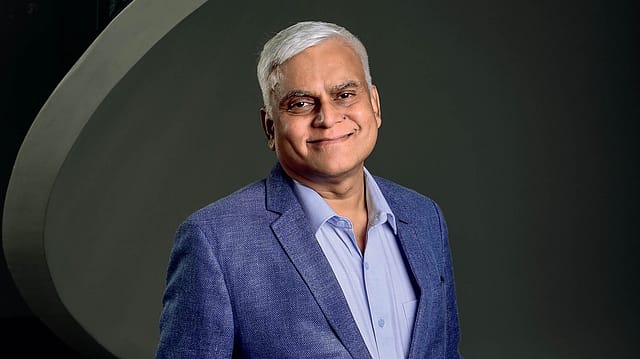
So how’s KPIT Technologies gearing up to tide over the setback? Kishor Patil, the MD & CEO of KPIT Technologies, spoke to Fortune India. Edited Excerpts.
Q. A busy few days in the office with a crash in the bourses? How are things looking for KPIT?
Typically, we see this (phenomenon) once in 10 years, and we have come back in a year much stronger. It’s not the best time, and it is also very complex, but the best thing is that the team is together, and we have done it before. Fundamentally, the supply chain costs have changed through the war, and Europe is also under stress.
Q. Does that mean you need to find some pivot, or do you stick to what you have been doing for so many years?
At a high level, there is very good growth. We are looking in some other geographies. US is doing well. So is India and Southeast Asia. Also, overall, off-highway commercial, as a segment, is doing well anywhere in the world. (Off highway commercial segment includes heavy-duty vehicles and machinery built for uneven terrain, agriculture, mining, and construction). Our product business is doing well. Of course, there are clients who are doing well, the new generation and there are new OEMs which we are engaging and they are doing well. If you keep away what happened, we would have grown significantly healthy.
Of course, we will also look at some alternative strategies and accelerate them. But it will take some time. We believe there is a significant opportunity in the areas where we work.
Q. But what are the alternatives that would be available to you?
In the mobility areas, there are many. We have been evaluating it for some time. But we have been careful and not jumping into anything because the key proposition for us is that it has to be a very tech incentive industry, and also looking at the stage of the industry and the spend of the technology, we should be in a position to come out as one of the top players. We will not enter an industry where we will be just one of the players.
Q. Is competition now getting a little more fierce for you?
We still hold our position as the best company in size, thought leadership, and solutions. There are new areas where we are investing, such as in AI. We are also investing in solutions. So we changed ourselves quite a bit last year. So it's not that we won't be responding. We are now proactive in everything we do. I think those results will come in the next couple of years.
Q: But what are some of the trends that you see emerging now?
Autonomous is becoming very, very strong because autonomy is becoming a reality. In some way it is making good progress across the world. The digital cockpit is also getting very, very strong. Many companies are interested in reducing their cost of warranties and the cost of maintenance of the vehicle, what we call diagnostics and after sales transformation. So after-sales becomes a very big part. SDV has been our key area, and AI-Defined Vehicles (AIDV) are now driven by AI. Now, the new architecture for those vehicles and programs will be a significant opportunity.
Now there has been a cost because most OEMs have not been able to deliver on their programs. Of course, they don't have the money to invest quickly. So right now they are trying to do what they can with what they have; they can add more to those. But they will have to go with the next plan, and it will be one or two years down the line, after which those will be reasonable-sized programs.
So these are the areas we want to continue investing in. And of course, there are some areas where we have invested recently. We have signed an agreement with a company in Israel in cybersecurity, and it’s a big area of focus. We have also invested in a company that will help us reduce vehicle costs and benchmark. After benchmarking, how can you reduce the vehicle's cost? So cost has become a very important part. Cost competitiveness has also become important. So we are also looking at some of those areas. So these are the areas we have been investing in, and we continue to invest in new areas as they come in.