
FY27 tractor sales growth seen slowing to 1-4% as El Niño threat clouds rural demand: ICRA
ADVERTISEMENT
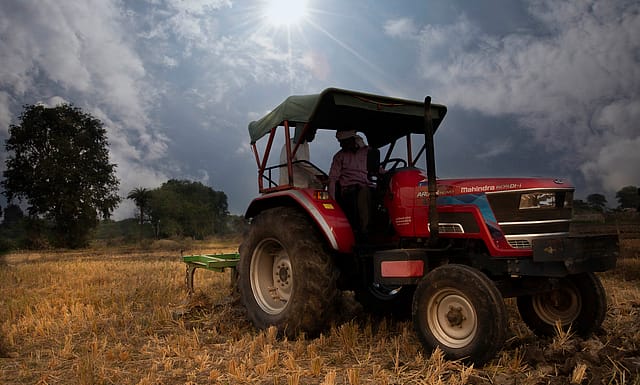
India's domestic tractor industry is expected to shift to a slower gear in FY27, with wholesale volumes projected to grow just 1-4%, sharply lower than the robust 23.5% expansion recorded in FY26, according to a research report by ICRA.
According to the ratings agency, the moderation comes amid concerns over a potentially weak monsoon and an elevated base effect, even as healthy crop output, minimum support price (MSP) backing and government subsidies continue to support rural incomes. The industry, however, remains fundamentally resilient, with tractor manufacturers expected to sustain healthy profitability and strong balance sheets.
May sales surge masks slower growth outlook
The sector delivered a strong performance in May 2026, with wholesale tractor volumes rising 19.3% year-on-year, while retail sales increased 13.6%. The growth was driven by a low base, steady farm cash flows and improved affordability following the reduction in GST on tractors.
However, ICRA cautioned that the pace of expansion is unlikely to be sustained through FY27. One of the key reasons is the government's decision to defer and stagger the implementation of revised emission norms for the crucial 30-50 horsepower segment until April 2028. The earlier deadline of April 2026 had triggered advance purchases in FY26, creating a favourable demand cycle that is unlikely to repeat this year.
Below-normal monsoon poses key risk
A larger concern for the industry is the weather outlook. The India Meteorological Department's first-stage long-range forecast for the 2026 southwest monsoon points to rainfall at 90% (±4%) of the Long Period Average, indicating a below-normal season due to the likely emergence of El Niño conditions.
A rainfall shortfall could adversely affect agricultural production, rural sentiment and farm incomes, all of which are closely linked to tractor demand. While the Ministry of Agriculture's second advance estimates show kharif and rabi foodgrains production for AY2025-26 rising 3% year-on-year, supported by favourable rainfall last year, the industry faces a more uncertain backdrop going forward.
OEMs likely to retain healthy profitability
Despite the softer volume outlook, tractor manufacturers are expected to maintain healthy operating margins. ICRA said stable raw material prices and operating leverage should support profitability levels.
The agency also expects the credit profiles of leading tractor original equipment manufacturers (OEMs) to remain comfortable, backed by healthy earnings, low leverage and adequate liquidity. As a result, while industry growth may moderate in FY27, the sector enters the year from a position of financial strength, providing a cushion against near-term demand volatility.