
India-UK CETA takes effect from July 15: What's cheaper, who benefits and why the trade deal matters
ADVERTISEMENT
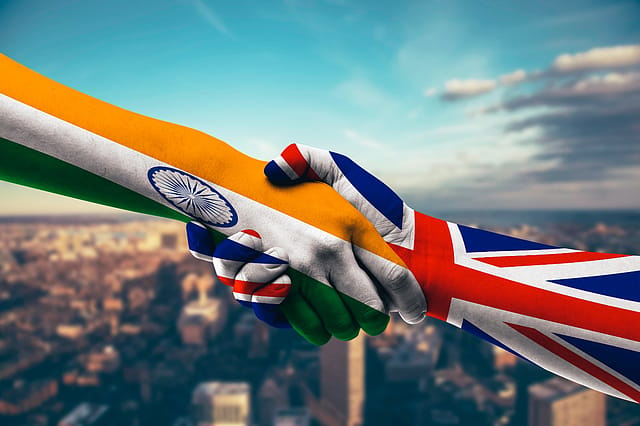
The India-UK Comprehensive Economic and Trade Agreement (CETA), signed in July 2025 after 14 rounds of negotiations, comes into force on July 15, 2026. It is the sixth free trade agreement (FTA) implemented by the Narendra Modi government after similar pacts with Mauritius, the UAE, Australia, EFTA and Oman.
Spread across 30 chapters, the agreement covers digital trade, financial services, telecommunications, intellectual property, government procurement and sustainability, besides tariff reductions. According to industry body ASSOCHAM, India will offer preferential access on 89.5% of its tariff lines to British goods, while the UK will eliminate tariffs on nearly 99% of Indian exports, creating significant opportunities for businesses in both countries.
Exporters and manufacturers emerge as key beneficiaries
Labour-intensive sectors including garments, textiles, footwear, carpets, processed foods, cereals, fruits, vegetables, spices, fish and meat products will now enter the UK at zero duty instead of the existing 4-16% tariff. Other beneficiaries include automobiles and auto components, machinery, electronics, fabricated metal products, ceramics, glass, engineering goods, chemicals, marine products and gems and jewellery.
For the first time under an FTA, India has agreed to reduce import duty on UK-made fully built passenger vehicles from 110% to 10% in phases. India will also allow imports of 3.78 lakh conventional-engine passenger vehicles at concessional duty over 15 years, while electric, hybrid and hydrogen-powered cars will receive preferential access only from the sixth year, giving domestic EV makers a five-year protection window. Duty on UK-built trucks will also decline in phases within a specified quota, while Indian electric, hybrid and hydrogen vehicles exported to the UK will enjoy duty-free access under agreed quotas.
What gets cheaper?
The phased tariff cuts are expected to lower prices of several premium British products over time, including Scotch whisky, gin, vodka, bourbon, rum, tequila, chocolates, biscuits, cosmetics, perfumes, soaps, soft drinks, salmon and lamb. Duty on Scotch whisky will decline from 150% to 75% initially before falling to 40% by the tenth year. India will also gradually eliminate tariffs on silver, Britain's largest export to India.
Beyond tariffs
The agreement also brings the Double Contribution Convention into effect, exempting eligible Indian professionals temporarily working in the UK from paying social security contributions in both countries for up to five years, benefiting IT firms such as TCS and Infosys. India has also opened around 40,000 high-value central government procurement contracts to eligible UK suppliers while protecting sensitive products such as fresh apples, walnuts, smartphones, gold bars and certain dairy items from tariff concessions.
Strong Rules of Origin have been incorporated to ensure only goods substantially produced in India or the UK qualify for preferential tariffs. India has also retained flexibility on compulsory licensing for pharmaceuticals, while the UK's tighter steel safeguard regime could pose challenges for a section of India's steel exports.
India-UK merchandise trade rose 8.6% to $25.12 billion in FY26, although India's exports declined to $13.44 billion while imports surged 36.1% to $11.68 billion. According to ASSOCHAM, total bilateral trade in goods and services has the potential to nearly double from around $58 billion in 2025-26 to about $120 billion by 2030, driven by higher trade, investment and deeper economic integration under CETA.