
Inflation crosses RBI's 4% mark, but soft demand keeps rate-cut hopes alive: DSP Mutual Fund
ADVERTISEMENT
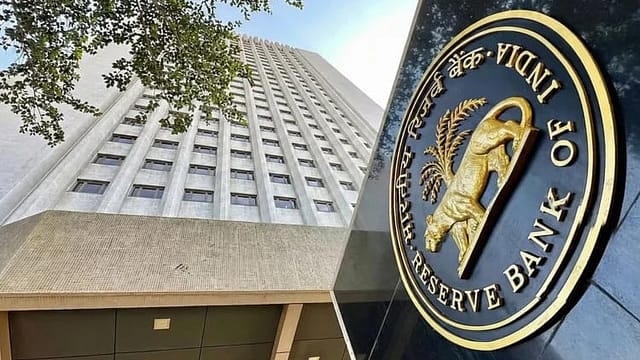
India's retail inflation may have climbed above the Reserve Bank of India's (RBI) 4% target for the first time since January 2025, but the underlying inflation trend remains weak enough to support a more accommodative monetary policy, according to a report by DSP Mutual Fund.
The report said the rise in June 2026 retail inflation to 4.38% was largely driven by volatile food and fuel prices rather than broad-based demand, suggesting that inflationary pressures remain contained despite the headline uptick.
"Inflation has crossed the 4% mark for the first time since January 2025. But this pickup has largely come from the more volatile part of the basket," DSP Mutual Fund said.
The report noted that food inflation was led by vegetables, where price growth exceeded 4%, while cereals and pulses returned to inflation after witnessing deflation in recent months. Milk and dairy products also continued to record inflation above the 4% level.
Fuel prices were another key contributor. Transport inflation accelerated after fuels and lubricants—accounting for around 5% of the Consumer Price Index (CPI)—registered an 8% year-on-year increase in June following the Iran-US conflict, which temporarily pushed up global crude oil prices.
However, DSP Mutual Fund believes the fuel-led inflation spike is unlikely to persist as geopolitical tensions have eased.
The report also highlighted that underlying or core inflation remains far from broad-based. While discretionary categories such as restaurants, clothing and furnishings have witnessed stronger pricing in recent months, sectors including healthcare, housing rentals and personal care services continue to show limited pricing power.
"This suggests that although core inflation may have bottomed out, the recovery is confined to select pockets of consumption rather than reflecting a broad-based pickup in demand," the report said.
DSP Mutual Fund pointed out that despite the RBI lowering the repo rate by 125 basis points since January 2025, borrowing costs have not declined meaningfully, limiting the transmission of monetary easing to households and businesses.
As a result, inflation has failed to gain sustained momentum despite the central bank's policy support.
The fund house said inflation remains one of the clearest indicators of underlying consumption strength, particularly under the revised CPI series, and the latest reading indicates that domestic demand still requires policy support.
It added that with the inflation differential between India and the US hovering near historical lows, the macroeconomic backdrop continues to favour a more accommodative interest-rate environment, leaving room for further monetary easing if growth remains subdued.