
Innovation, digitalisation key to next phase of MSME growth: MSME Secretary Bharat Khera
ADVERTISEMENT
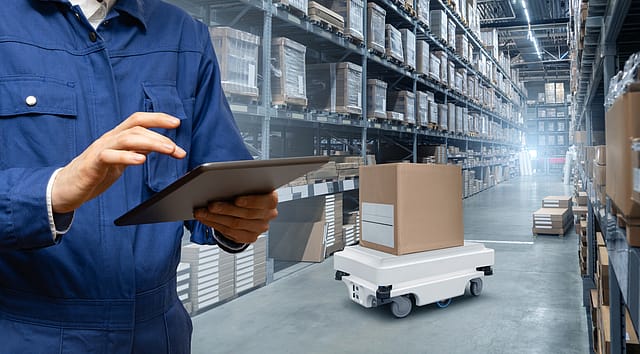
India's next phase of economic transformation will depend on building a stronger, technology-driven and globally competitive micro, small and medium enterprises (MSME) sector, Bharat Khera, Secretary, Ministry of MSME, said on Tuesday.
Speaking at the CII MSME RISE Summit in New Delhi, Khera said MSMEs must embrace innovation, digitalisation, artificial intelligence and Industry 4.0 technologies to improve productivity and remain competitive amid changing global supply chains and geopolitical uncertainties.
"Technology adoption is no longer optional but a business imperative," he said, adding that the sector would play a pivotal role in achieving the country's Viksit Bharat 2047 vision.
Khera noted that MSMEs currently contribute nearly one-third of India's GDP, account for almost half of the country's exports and are the second-largest source of employment, making them central to India's long-term growth strategy.
Highlighting government initiatives aimed at strengthening the sector, he said Udyam registrations have increased five-fold over the past three years to more than 8.8 crore enterprises. Institutional credit to MSMEs has risen from around ₹10 lakh crore in 2014 to nearly ₹37 lakh crore, while the Credit Guarantee Scheme has enabled about ₹30 lakh crore of guaranteed credit.
He also pointed to initiatives such as 53 Technology Centres, the MSME Champions Programme, Trade Receivables Discounting System (TReDS), the Self-Reliant India Fund, and digital commerce and public procurement platforms that are helping small businesses scale up and access new markets.
Ateesh Kumar Singh, Additional Secretary, Department for Promotion of Industry and Internal Trade (DPIIT), urged MSMEs to make greater use of government schemes covering finance, infrastructure, entrepreneurship and skill development. He also stressed the importance of responsible business practices, transparency and tax compliance to build a stronger industrial ecosystem.
Government e-Marketplace (GeM) CEO Mihir Kumar said nearly 45% of procurement through the platform now comes from MSMEs, significantly exceeding the government's mandated procurement target. He said the fully digital, brand-neutral platform offers equal opportunities to businesses while ensuring transparent procurement, faster payments and wider market access.
SIDBI Deputy Managing Director Prakash Kumar identified formalisation, digitalisation, sustainability and quality enhancement as the key pillars of future MSME growth. He encouraged enterprises to invest in artificial intelligence, cybersecurity, energy efficiency and export readiness to strengthen global competitiveness.
ONDC Senior Vice President Utkarsh Goswami said India's Digital Public Infrastructure, including ONDC, Aadhaar and UPI, is lowering barriers to digital commerce and enabling MSMEs to access wider markets through an open and competitive digital ecosystem.
Industry leaders at the summit also called for greater policy support, easier access to finance, stronger industrial clusters, sustainability initiatives and wider adoption of technology to help Indian MSMEs compete in global markets.