
Probable timing for a 75–100 basis point rate hike is August, status quo likely in June MPC review: YES Bank
ADVERTISEMENT
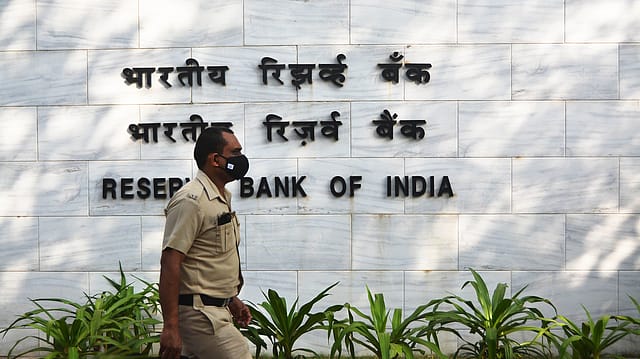
Stressing that there is very little probability of a change in rates or policy stance as the Monetary Policy Committee (MPC) meeting begins, YES Bank on Wednesday said the most likely timing for the start of a 75–100 basis point rate hike cycle is the August policy review. YES Bank said inflation will keep rising in the rest of the current financial year and FY27 growth may get depressed even as advance indicators for now remain strong.
“Policy challenges remain magnified even as the war situation gets better yet remains unresolved, thereby keeping the economy open to supply shocks. The pass-through from the WPI to the retail inflation has just started in the form of increases in the pump-head prices of petrol and diesel, alongside increases in the prices of commercial LPG,” said YES Bank in a note, MPC Preview: Make No Haste.
“While every policy remains live, we see a very small probability for a rate and stance change in June, as RBI buys time to assess the second-round impact of price rises. Probable timing of the start of a likely 75-100 bps rate hike is August, once monsoon impact on food prices also is factored in,” the note, authored by YES Bank Chief Economist Indranil Pan said.
“The principal risk for central banks across the globe is to ascertain if the current uptrend in inflation is transitory or permanent. Importantly, currency depreciation is also likely to be inflationary, as global financial market volatility impacts India and causes FX outflows. For the RBI, the scale is tipped towards addressing financial market stability and controlling inflation, even at the risks of a growth sacrifice,” the note said.
According to YES Bank, the RBI would probably have to raise their own inflation forecast for FY27 from the earlier 4.6%, given the cumulated 7.4% increase in petrol prices and 8.4% increase in diesel prices, that will have its second-round impact on retail inflation through increases in logistics and transportation costs.
“WPI has reported a large increase in April, with a sharp rise in the manufacturing input cost that is also likely to be gradually passed on to the consumers. For now, we see Headline CPI inflation at 5.0% for FY27, with Q3FY27 at 5.6% and Q4FY27 at 4.9%. Added to this could be the risks of food inflation due to predictions of lower monsoons,” it said.
It said economic growth in FY27 may get depressed even as advance indicators for now remain strong.
“In FY27, growth is expected to be weaker as a) personal consumption is likely to slow with inflation eroding real incomes and disrupting discretionary spending; b) private investment that were witnessing some green shoots are also likely to pull back due to weakening consumption demand and higher input costs; c) manufacturing sector especially MSME sector can slow due to supply disruptions, especially in sectors that rely on importable, especially oil and oil derivations; d) LPG shortages and ATF price increases have also impacted the restaurant sector and aviation sectors respectively,” it said.
“Added to the above is the risk to agricultural output due to El Niño that may negatively impact rural demand. Media reports also indicate a falling order book for exporters due to elevated cost of freight and insurance. Consequently, we expect FY27 real GDP at 6.6%, 100 bps lower than FY26 estimates,” it added.