
Road sector growth to slow as highway awarding, margins come under pressure
ADVERTISEMENT
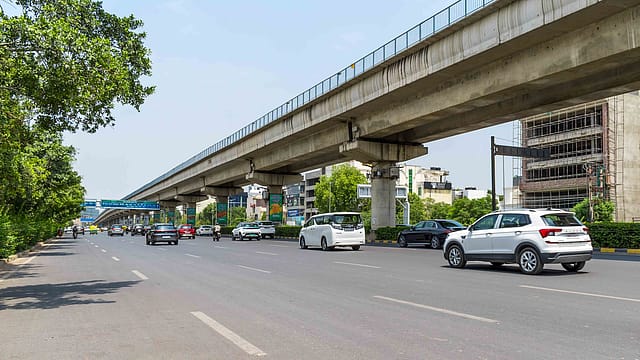
India’s road sector is likely to see slower growth over the next two years, as a sharp moderation in national highway (NH) project awarding, rising costs, and execution delays weigh on activity, according to a report by CareEdge Ratings.
The report released on Monday said overall road capex growth will remain muted between FY25 and FY27, with state governments emerging as the key drivers of investments even as central spending on national highways slows.
Since FY17, the sector has seen investments of around Rs 28.5 lakh crore, growing at a compound annual rate of about 13%. However, recent years have seen stagnation in central capex due to lower project awarding and persistent execution challenges.
Construction pace to decline further
The slowdown in awarding activity has already started impacting execution. The pace of NH construction is estimated to fall to around 25 km per day in FY26, and further decline to about 21–22 km per day in FY27.
“Pace of construction for National Highways is estimated to decline by 14% in FY26 to ~25 km per day, the lowest level since FY19… and is expected to decline further to ~21-22 km/day in FY27,” said Setu Gajjar, Associate Director, CareEdge Ratings.
The report noted that delays in land acquisition, slow project awards, and procedural hurdles in starting projects have continued to weigh on execution timelines.
State spending gains traction
In contrast, state governments are stepping up investments in road infrastructure. State capex on roads has grown at a faster pace in recent years and is expected to outperform central spending in the near term, indicating a structural shift in investment trends.
States such as Uttar Pradesh, Maharashtra, Tamil Nadu, Gujarat, Rajasthan and Odisha are leading this push, supported by a strong pipeline of regional connectivity projects.
Margins, revenues under pressure
Road developers are also facing financial stress due to rising competition and higher input costs. The report said aggregate operating income of major developers declined about 7% in FY25, and revenue growth is expected to remain largely flat in FY26.
Profitability is also under pressure. PBILDT margins are expected to fall from about 13% in FY23 to around 11.5% in FY26, and decline further due to rising bitumen prices linked to the West Asia crisis.
“Heightened competitive intensity, execution delays and rising overheads… have continued to exert pressure on the financial profile of road developers,” said Maulesh Desai, Director, CareEdge Ratings.
Higher debt, working capital strain
The sector is also witnessing rising working capital requirements and leverage. Gross current asset days are expected to increase significantly, while debt levels relative to earnings are projected to worsen.
Developers with diversified portfolios and operational assets are likely to be better placed to manage these pressures, while highly leveraged players may face continued stress.