
Trump nominates Kevin Warsh as next Federal Reserve chair, signalling shift in US monetary policy
ADVERTISEMENT
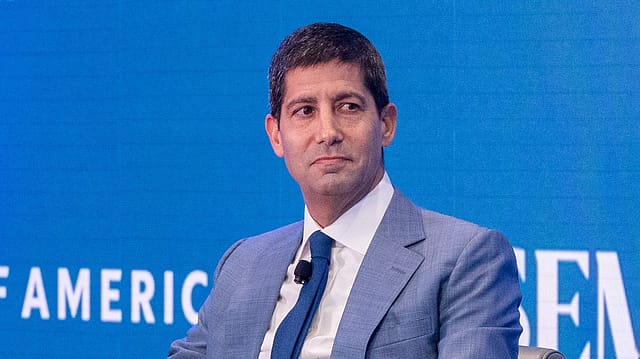
US President Donald Trump on Friday said he will nominate Kevin Warsh to serve as the 17th chair of the Federal Reserve, setting the stage for a leadership change at the central bank once Jerome Powell’s term ends in May. The move places a former US central bank governor back at the helm at a time when monetary policy remains under intense scrutiny.
If confirmed by the US Senate, Warsh would take charge of the Federal Reserve as it balances inflation risks, interest rate policy and broader “financial stability” amid “lingering global uncertainties”.
Who is Kevin Warsh?
Warsh, 55, served on the Federal Reserve’s Board of Governors from 2006 to 2011, a period dominated by the global financial crisis. During that time, he worked closely with then-Fed chair Ben Bernanke and was involved in shaping emergency measures aimed at stabilising financial markets.
Since leaving the central bank, Warsh has remained active in policy circles, often weighing in on monetary strategy, central bank governance and the long-term consequences of unconventional policy tools.
Trump’s long-running tensions with the Fed
Trump’s decision to nominate Warsh highlights his desire to leave a clear mark on the Federal Reserve’s leadership. During his presidency, Trump repeatedly criticised the Fed for raising interest rates, arguing that tighter monetary policy undermined economic growth and competitiveness.
Although Powell was originally appointed by Trump, relations between the White House and the Fed were frequently strained, with Trump openly pressing the central bank for easier policy.
Policy outlook under Warsh
Warsh is generally seen as cautious about prolonged monetary stimulus, particularly large-scale asset purchases. At the same time, he has emphasised the importance of preserving the Fed’s credibility and independence — a point closely watched by investors and lawmakers alike.
Next steps and market focus
The nomination will now move to the Senate for confirmation, where hearings are expected to focus on Warsh’s views on inflation, interest rates and the Fed’s independence. Financial markets will also look for signals on whether his appointment could lead to shifts in the central bank’s policy direction.