
West Asia conflict poses downside risks to India’s macro outlook: Crisil
ADVERTISEMENT
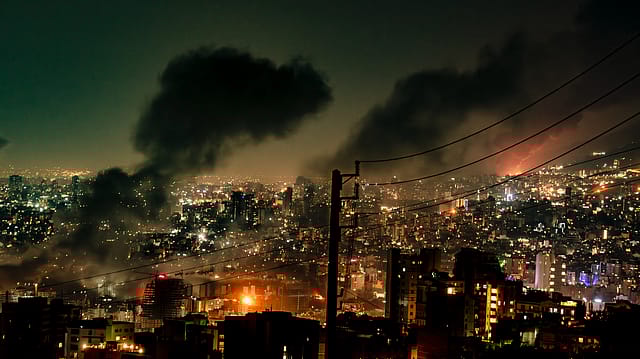
Escalating tensions in West Asia could pose downside risks to India’s macroeconomic outlook by pushing up energy prices, disrupting trade routes, and increasing global financial uncertainty, according to a report by Crisil.
The report said geopolitical developments in the region have emerged as a key external risk for the Indian economy, particularly because of the country’s heavy dependence on imported energy.
“Geopolitical uncertainties in the Middle East pose pricing and supply risks,” the report said, referring to crude oil and liquefied natural gas, both of which are critical to India’s energy mix.
Energy dependence raises vulnerability
India imports the bulk of its crude oil requirements, with a large share sourced from Gulf countries and shipped through the strategically important Strait of Hormuz. Any disruption in the region can therefore quickly transmit into higher import bills and inflationary pressures domestically.
According to the report, “a prolonged conflict in the Middle East is a key risk” to the global and Indian economic outlook, especially if it leads to sustained volatility in oil markets.
Crude markets have already tightened in early March amid the escalation in tensions, the report noted, warning that continued geopolitical uncertainty could lead to further price spikes.
Higher oil prices typically widen India’s current account deficit and increase pressure on the rupee. They also raise costs for sectors heavily dependent on petroleum-linked inputs such as aviation, transportation, chemicals, packaging, and tyres.
Trade and sectoral impact
The report also noted that the Middle East remains an important trading partner for India. Any slowdown in the region due to conflict could affect demand for Indian exports such as engineering goods, gems and jewellery, chemicals, and food products.
Despite these risks, Crisil said India’s macroeconomic fundamentals remain relatively resilient. Diversification of crude sourcing in recent years and a strong services exports surplus provide some buffer against external shocks.
However, the report cautioned that continued geopolitical instability in West Asia could transmit to India through multiple channels, including energy prices, trade, and financial markets. “Continued uncertainty in the Middle East,” it said, “could weigh on the outlook if it persists for an extended period.”