
US lawmaker seeks India mention in Russia Sanctions Act; additional impact may be limited
ADVERTISEMENT
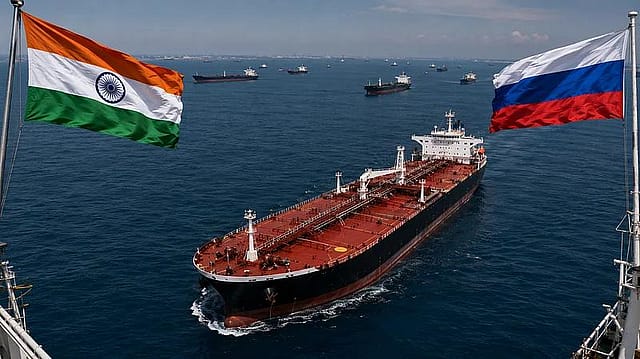
US lawmaker Steny Hoyer’s proposal to amend the ‘Lindsey O. Graham Sanctioning Russia and Iran Act of 2026’ currently under consideration in the US Congress, to explicitly include India among the countries that could face an additional 100% duty is being viewed as yet another attempt to penalise India for importing Russian crude oil despite US objections.
However, it remains unclear what additional threat the explicit naming of India would pose. The draft legislation, in its original form, already states that the top five importers, by total volume, of crude oil or natural gas that originated in the Russian Federation during the 12-month period preceding the Act’s enactment will be subjected to penalties of up to 100% ad valorem.
As India remains one of the top importers of Russian crude oil, the country is unlikely to escape such penalties regardless of whether it is explicitly named in the proposed Russian sanctions legislation or not.
The draft legislation has a specific section on the duties that could be levied on countries that purchase Russian-origin crude oil or natural gas or facilitate sanctions evasion. It states that not later than 30 days after the date of the enactment of the Act, the US President shall, notwithstanding any other provision of law, increase the rate of duty for all goods imported into the United States from such a country to a rate of up to 100% ad valorem.
It also says that any time after the initial imposition of duties, the United States Trade Representative can modify or adjust any rate of duty imposed under this law to a rate greater than zero and up to 100% ad valorem upon submitting a written determination to the appropriate congressional committees if that country has taken significant steps to increase the importation, sale, supply, transfer, or purchase of crude oil or natural gas that originated in the Russian Federation or decrease or cease engaging in the importation, sale, supply, transfer, or purchase of such crude oil or natural gas.
There is a clause for exception from the duty too. It says that duty shall not be imposed if the importation by that country of natural gas that originated in the Russian Federation during the preceding 12-month period were less than 15% of the total annual exports of natural gas from the Russian Federation during that period and that country has taken significant steps to reduce its imports of natural gas that originated in the Russian Federation.
Explicit mention of India in the Act may not make much of a difference unless India decides to drastically cut down imports of Russian crude oil.