
West Asia conflict hits India’s downstream sectors: Petrol, diesel margins turn negative; LPG losses may hit ₹80,000 Cr in FY27: ICRA
ADVERTISEMENT
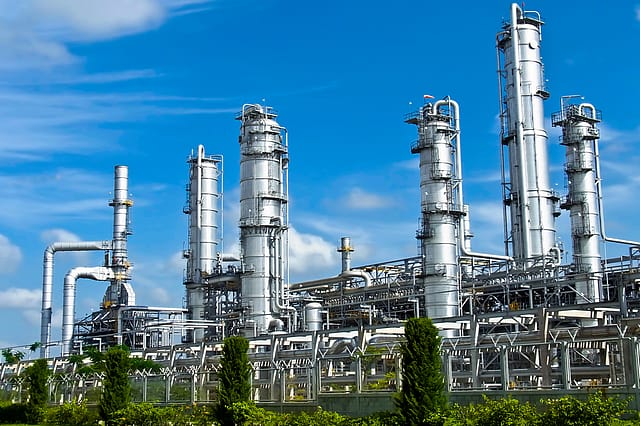
India’s downstream oil and gas-linked sectors are set to face mounting cost pressures and supply constraints in FY2027, as geopolitical tensions in West Asia disrupt global energy and commodity flows, according to a report by ICRA. The disruption in the Strait of Hormuz—through which nearly 20% of global oil and LNG trade passes—has tightened supply and driven up prices across crude oil, gas, fertilisers and chemicals.
These pressures are expected to weigh on the profitability of key sectors including oil marketing companies (OMCs), fertilisers, chemicals and city gas distribution (CGD), even as demand conditions remain uneven.
Auto fuel margins turn sharply negative
ICRA estimates that at crude oil prices of $120–125 per barrel, marketing margins for petrol and diesel have turned significantly negative at around ₹14 per litre and ₹18 per litre, respectively. The continued freeze in retail fuel prices, despite elevated crude levels, is eroding profitability for OMCs.
At the same time, liquefied petroleum gas (LPG) remains a major concern. With supplies from West Asia constrained and global LPG prices rising, under-recoveries on domestic LPG sales are projected to touch ₹80,000 crore in FY2027 if current trends persist. While refiners have increased production and sourced cargoes from alternative markets such as the US and Australia, the cost burden remains substantial.
Fertiliser subsidy burden to surge amid input inflation
The fertiliser sector is witnessing a sharp escalation in input costs, particularly for sulphur and ammonia. Gas prices for urea production have risen to around $19 per Metric Million British Thermal Unit (MMBtu) in April 2026, compared to $13 before the crisis, increasing production costs significantly.
ICRA expects the fertiliser subsidy requirement to rise to ₹2.05–2.25 trillion in FY2027, higher than the budgeted ₹1.71 trillion, with an upward bias. Inadequate revisions in Nutrient Based Subsidy (NBS) rates are likely to compress margins for phosphatic and potassic (P&K) fertiliser players, even as partial price hikes are passed on to farmers. A potentially weak monsoon due to El Niño conditions could further limit farmers’ ability to absorb higher prices.
Chemicals, CGD sectors face uneven impact
Global chemical and polymer prices have surged amid supply disruptions and higher energy costs, triggering short-term stockpiling. However, ICRA expects demand to normalise once inventory build-up subsides, especially if high prices persist. The impact is likely to be less severe for specialty chemical players with limited exposure to West Asian markets.
The CGD sector, while partially shielded by preferential domestic gas allocation, continues to face cost pressures from rising gas prices and rupee depreciation. Margins in the CNG segment are expected to remain under pressure, as cost increases may not be fully passed on to consumers.
Overall, ICRA maintains a stable outlook on refining due to healthy crack spreads, but has assigned a negative outlook to fuel retailing, fertilisers and chemicals, citing sustained pressure on profitability and credit profiles in FY2027.