
West Asia fuel shock may erode logistics margins by up to 200 bps in FY27: ICRA
ADVERTISEMENT
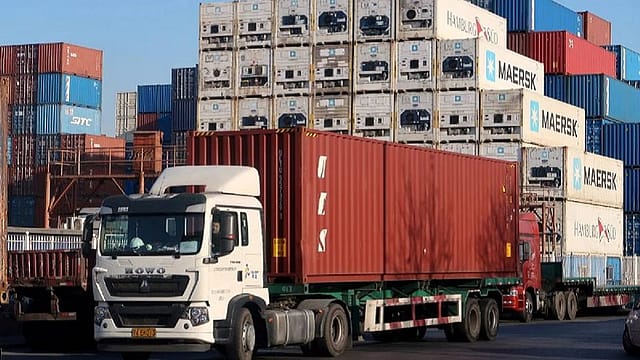
India's road logistics industry is headed for a challenging year, with rising fuel costs threatening profitability even as revenues continue to grow, according to a report by rating agency ICRA.
The agency estimates operating margins for its sample set of listed logistics companies could contract by 150-200 basis points in FY27, as diesel price increases linked to the ongoing West Asia conflict drive up operating costs across the sector. While industry revenues are projected to grow 8-10% this fiscal, the growth is expected to be driven largely by higher freight rates rather than a meaningful increase in cargo volumes.
The warning comes after state-run oil marketing companies raised diesel prices by about ₹7.5 per litre in May 2026, following a sharp rise in crude oil prices amid geopolitical tensions in West Asia. ICRA cautioned that further fuel price hikes cannot be ruled out if the conflict persists.
Fuel accounts for 50-60% of operating expenses for fleet operators and contributes roughly 45-55% of industry revenues, making road logistics among the sectors most exposed to fuel inflation.

Revenue growth masks profitability concerns
ICRA expects the industry to post 8-10% revenue growth in FY27, supported by higher freight rates. Average truck freight rates in May 2026 were already around 7% higher than February levels as operators attempted to pass on a portion of the increase in fuel costs.
However, freight volume growth is likely to remain subdued amid inflationary pressures, supply-chain disruptions, weak consumption trends and the possibility of El Niño conditions affecting rural demand.
According to the agency, margins are unlikely to receive the same support seen during the pandemic-era fuel price cycle, when strong demand enabled transporters to pass on higher costs more effectively.
Small fleet operators face greater risk
The impact is expected to be uneven across the industry. Organised logistics companies are relatively better positioned because of fuel pass-through clauses embedded in long-term contracts, stronger customer relationships and greater operational efficiencies.
In contrast, smaller fleet operators, who account for nearly 75-80% of the sector, remain more vulnerable. Given the fragmented nature of the industry and intense competition, many transporters may be forced to absorb part of the increase in diesel and other crude-linked costs to maintain fleet utilisation.
ICRA noted that even where contracts allow fuel-cost pass-through, time lags, incomplete recoveries and rising expenses on tyres, lubricants and other consumables could continue to weigh on profitability.
Structural shifts may accelerate
While the near-term outlook remains challenging, ICRA believes sustained fuel inflation could accelerate structural changes within the sector. These include faster formalisation of the industry, wider adoption of technology-led route optimisation, and increased interest in alternative-fuel and electric commercial vehicles as operators seek to reduce dependence on diesel.