
How EVs, Repair Inflation, and Connected Cars are Changing Motor Insurance in India
ADVERTISEMENT
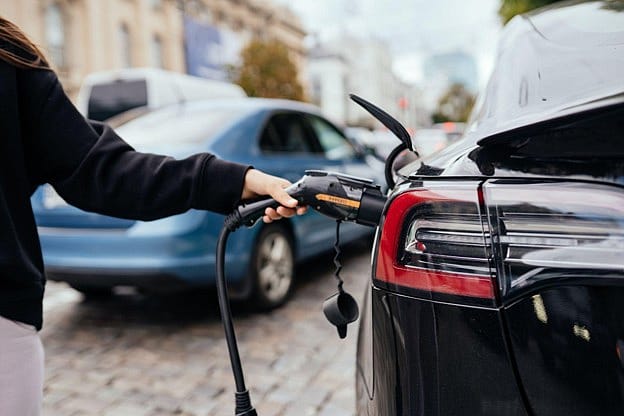
India's motor insurance industry is entering a structural shift driven by technology, cost pressures, and changing vehicle ownership patterns. Repair costs are rising, more people are buying electric vehicles, and cars are now generating real-time data that insurers can use.
With EV adoption accelerating and repair costs rising, the implications for both insurers and policyholders are becoming more immediate.
For anyone holding a standard car insurance policy, these shifts directly affect what is covered, what costs more, and what information your insurer can access.
Let's examine what is driving these changes and what they mean for you.
Why Repair Inflation is Pushing Premiums up
Car repairs have become significantly more expensive over the past three years, and several factors are keeping costs high.
1. Imported Parts and Sensor Systems
Modern cars now rely on imported sensors, cameras, and ADAS components. India's auto component market, valued at over USD 85 billion and growing at 14.8% CAGR, sees electronics and sensor-based systems expanding fastest. Even a minor rear-end collision may require camera realignment and software resets.
With more than 85% of telematics boxes and many advanced sensors imported, ADAS-linked repairs can sharply increase costs. The integration of sensors, ECUs, and electronic control units.
2. Shortage of Trained Mechanics
Mechanics who know traditional engines cannot automatically work on cars with complex electronics. In India, the gap is particularly acute outside metro cities, where certified ADAS calibration centres and EV-ready workshops remain concentrated. This leaves owners in other regions with delayed repairs and inflated costs.
3. Rising Cost of Basic Materials
Steel, plastics, and other materials used in car body parts have become more expensive, which raises the price of even straightforward repairs across all car types.
4. Premiums That Have not Kept Pace
Motor own-damage premiums totalled INR 40,435.78 crore in FY2024-25, yet insurers have kept own-damage rates relatively low for years. As repair costs grow faster than premium income, insurers are under pressure to raise rates, and policyholders will likely bear a share of that increase.
This shift is forcing the broader car insurance ecosystem to rethink pricing models that were originally built for simpler vehicles.
EVs Change the Risk Model: Battery, Electronics, Charging, and Water Damage
Electric vehicle insurance involves a very different set of risks compared to petrol or diesel cars, and most standard motor products in India were not built with EVs in mind.
India's EV penetration reached 8.5% in FY2025–26, with total registrations crossing 25 lakh units: a 24% Year-on-Year (YoY) increase. Electric passenger vehicles emerged as the fastest-growing segment, clocking an 86% YoY rise. Yet the government's target of 30% EV penetration by 2030 remains distant, and the insurance framework is racing to catch up
1. Battery Replacement is Expensive
The battery in an electric car typically makes up 30 to 50% of the vehicle's total value. In India, replacement costs range from INR 3 lakh to over INR 12 lakh depending on battery size. With entry-level EVs facing bills of INR 5–6 lakh and premium models crossing INR 10 lakh.
Coverage and claims handling for battery-related damage remain uneven across policies.
2. Repairs Need Specialised Equipment
Electric cars use high-voltage systems that standard garages are not equipped to handle. This makes EV repairs more expensive and means claims take longer to settle because fewer workshops can do the work.
3. Flooding Poses a Specific Risk
EV batteries sit low in the vehicle, close to the ground. In Indian cities, where flooding during the monsoon is common, water getting into the battery system is a genuine and costly risk. Many policies do not address this exposure clearly.
4. Home Charging Complications
Damage caused during home charging, such as a cable fault or an electrical incident at a charging point, often falls outside what a standard motor policy covers.
Battery-related risk coverage continues to evolve, with gaps still visible across policy structures.
Connected Cars and Telematics: New Pricing and Claims Possibilities
Many new cars now send real-time data about how they are being driven, where they are, and how the vehicle is performing. This is fundamentally changing how insurers assess risk, price policies, and process claims.
1. Pay Based on how you Drive
Telematics lets insurers offer premiums based on your actual driving rather than general assumptions. A careful driver who does not clock many kilometres should, in principle, pay less than someone who drives fast over long distances regularly.
2. Quicker and Clearer Claims
When an accident happens, connected car data can show the insurer the speed at impact, the location, and whether safety systems were activated. This makes it harder for claims to be disputed and speeds up the settlement process.
3. Early Warning on Vehicle Health
If insurers can access data about how a car is performing, they can flag potential problems before a breakdown happens, which reduces claims and helps retain customers.
4. Questions Around Data and Privacy
The same data that makes insurance smoother also means your insurer knows a great deal about how and where you drive. India's data protection law will set boundaries on how this information can be used, but insurers are still working out what compliance looks like in practice.
Why Insurers Need Different Underwriting for EVs Versus ICE Vehicles
India's motor insurance framework was built around petrol and diesel vehicles. Using the same rules and assumptions for electric cars leads to pricing that does not reflect actual risk.
1. Battery Wear is not Like Engine Wear
An EV battery loses capacity over time in a way that is different from how a petrol engine ages. Current policy structures do not account for this accurately, which affects how claims are valued.
2. Writing Off an EV Works Differently
When an EV is declared a total loss after battery damage, parts of the car may still be usable and valuable, or the opposite may be true. The way salvage value is calculated needs to be adjusted for EVs specifically.
3. Limited Historical Claims Data
India's EV market is still young, so insurers do not have enough past data to price EV policies with confidence. Some pricing decisions are still based on estimates rather than proven patterns.
4. Battery Fires Carry Bigger Knock-on Risks
A battery fire in a parking area can affect multiple vehicles and trigger several claims at once. This kind of concentrated risk does not have a direct equivalent in petrol or diesel vehicle insurance.
What This Means for Consumers, OEMs, and Insurers
This is where specialised electric car insurance products are beginning to evolve, offering more relevant coverage for battery and charging risks.
For Car Owners
Own-damage premiums are likely to increase, particularly for newer cars with advanced electronics and for EVs too. For consumers, evaluating battery coverage, depreciation rules, and charging-related assistance is becoming increasingly important.
For Vehicle Manufacturers
Car makers now have a financial interest in how insurance works for their vehicles. Offering insurance directly at the point of sale lets them manage the repair process, keep parts revenue in-house, and give buyers a more complete ownership package. This model is becoming more common in India.
For Insurers
A single policy that tries to cover all vehicle types equally is becoming harder to defend. Offering separate, add-on options for battery coverage, telematics-based pricing, and charging liability gives consumers more relevant choices.
At the same time, insurers need to revisit their reinsurance arrangements as the number of EVs on the road grows.
India's motor insurance landscape is being reshaped by rising repair costs, EV-specific risks, and data-driven underwriting models. For consumers, this means moving beyond price comparison to understanding coverage depth.
For insurers, it signals a shift towards more specialised and data-backed products. The gap between legacy policy structures and emerging risks is narrowing, but remains significant.