
Explained: Why the Centre has asked Delhi Gymkhana Club to vacate its premises
ADVERTISEMENT
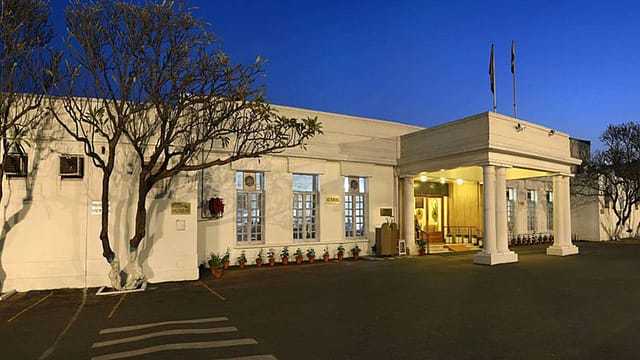
The Centre's decision to ask the Delhi Gymkhana Club to vacate its premises in Lutyens' Delhi has sparked a fresh legal battle, with the matter now before the Delhi High Court. The move marks the latest chapter in a long-running dispute between the government and the prestigious club over governance, finances, and the use of prime public land in the national capital.
What is the latest development?
Last week, the Land and Development Office (L&DO) under the Union Ministry of Housing and Urban Affairs directed the Delhi Gymkhana Club to vacate its 27.3-acre premises on Safdarjung Road by June 5.
In a notice issued on May 22, the L&DO asked the club to hand over possession of the property, stating that the lease had been terminated with immediate effect. The notice said that the President of India, acting through the L&DO, had exercised powers under the lease agreement to order re-entry into the premises.
Why is the land important?
The club occupies a prime parcel of land in Lutyens' Delhi, immediately adjacent to the Prime Minister's residence on Lok Kalyan Marg.
According to reports, slum clusters along Race Course Road, described in the L&DO communication as "adjoining government lands", are currently being cleared of encroachments. This has fuelled speculation that the government may be looking to consolidate the entire surrounding area as part of a broader redevelopment or security-related plan.
What has the Delhi High Court said?
On May 26, the Delhi High Court declined to grant interim relief to club members who challenged the government's eviction notice.
Justice Avneesh Jhingan, however, recorded an assurance from Solicitor General Tushar Mehta that any eviction would take place only in accordance with the procedure established by law and after prior notice to the affected parties.
While the court did not stay the government's direction, the assurance offers temporary procedural protection to the club and its members.
What is the dispute between the Centre and the club?
The eviction notice is the latest escalation in a prolonged tussle between the Centre and the Delhi Gymkhana Club.
In recent years, the government has raised concerns regarding the club's governance structure, financial management, and continued occupation of government-owned land. The dispute has led to multiple rounds of scrutiny and legal proceedings, culminating in the latest move to terminate the lease and reclaim the property.
What is the history of the Delhi Gymkhana Club?
The Delhi Gymkhana Club traces its origins to the early years of New Delhi's development under British rule.
The club was established in July 1913, shortly after the British Indian government announced the transfer of the capital from Kolkata to Delhi in 1911. The government leased the land to the then Imperial Delhi Gymkhana Club in February 1928, and the club's iconic buildings were constructed during the 1930s.
Over the decades, the club evolved into one of India's most exclusive social institutions, with a membership that includes senior bureaucrats, diplomats, military officers, business leaders, and professionals.
What’s next?
With the matter now before the Delhi High Court, the legality of the lease termination and the government's move to reclaim the land will come under judicial scrutiny. While the June 5 deadline remains in place, any further action by authorities is expected to be subject to legal procedures and court proceedings.