
India likely to have concerns over Trump’s proposed pharma tariffs, says Marco Rubio
ADVERTISEMENT
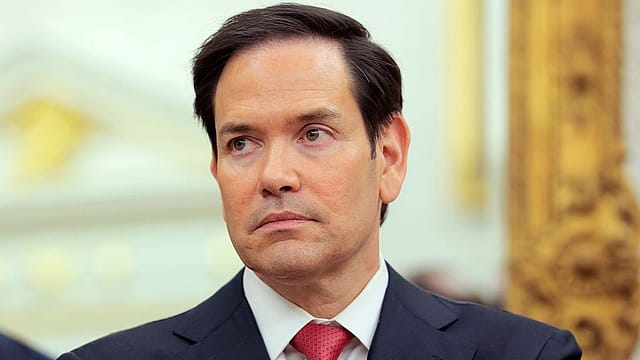
India is likely to have concerns over US President Donald Trump's proposal to impose tariffs on imported pharmaceutical products, US Secretary of State Marco Rubio said, acknowledging the potential implications for one of the world's largest suppliers of generic medicines. Rubio, however, said the issue was not discussed in detail during his meeting with External Affairs Minister S. Jaishankar on the sidelines of regional meetings in Manila.
Speaking to reporters after the bilateral meeting, Rubio said he would expect India to be concerned by the proposed tariff measures but indicated that pharmaceuticals did not feature prominently in his discussions with Jaishankar. The comments come as the Trump administration weighs higher import duties on medicines as part of a broader push to expand domestic manufacturing in the United States.
Tariff proposal under industry watch
The proposed tariff plan has drawn close attention from the pharmaceutical industry, given India's position as the largest supplier of generic medicines to the US by volume. According to industry players, any increase in import duties could have implications for export competitiveness, supply chains and pricing across the healthcare sector, industry experts have said.
India's pharmaceutical exports to the US account for a significant share of the country's overseas drug shipments, with Indian manufacturers supplying affordable generic medicines across a wide range of therapeutic segments. The US also remains one of the most important markets for Indian drugmakers, making developments in American trade policy a key focus for the industry.
While trade issues formed part of the broader engagement between the two leaders, Rubio suggested that the proposed pharmaceutical tariffs were not examined in detail during the meeting. India and the US continue to engage across a wide range of strategic areas, including trade, defence, technology, energy and critical minerals.
Industry sees manageable impact
The proposed tariff plan has also drawn attention from credit rating agencies, which say the impact on Indian drugmakers may be cushioned by the sector's structural strengths despite the importance of the US market.
Anuj Sethi, Senior Director, CRISIL Ratings, said the proposed US tariffs on pharmaceutical generics, scheduled to take effect from August 2028, could weigh on the business risk profiles of Indian pharmaceutical exporters, as the US accounts for nearly one-third of India's pharmaceutical exports, largely comprising generic medicines.
However, he said several factors could help mitigate the impact. "The US is heavily reliant on imported generics, with Indian manufacturers supplying about 40% of its demand. This may enable the pass-through of a portion of tariff-related cost increases across the value chain. The two-year implementation window also provides companies an opportunity to adapt their supply chains," Sethi said.
He added that the final tariff structure and the outcome of the ongoing India-US trade negotiations remain uncertain and warrant close monitoring. "Nevertheless, the credit profiles of Indian pharmaceutical companies are expected to remain stable, supported by their strong balance sheets," Sethi said.