
OMCs raise premium petrol prices by up to ₹2.3/litre amid elevated crude prices
ADVERTISEMENT
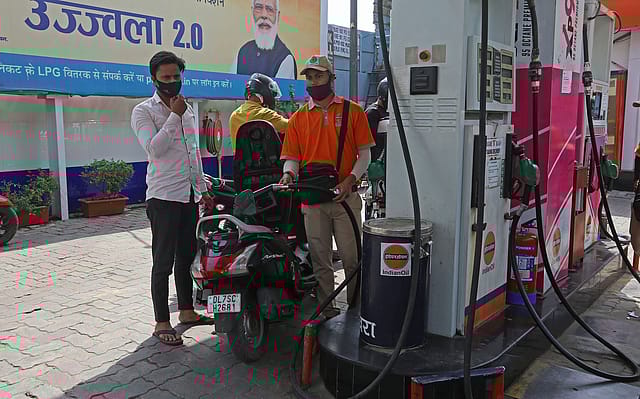
Oil marketing companies (OMCs) have increased prices of premium petrol variants by ₹2–₹2.3 per litre, dealers said, even as retail prices of regular petrol remain unchanged.
The revised rates came into effect on March 20, according to fuel station operators, and apply to branded, high-octane fuels such as HPCL’s Power petrol and IOCL’s XP95.
Premium fuels adjusted, regular petrol unchanged
The government confirmed that the price increase is limited to premium fuel categories, which account for a small share of overall petrol consumption.
“There has been no price increase in normal petrol. There has been some increase only in the premium category, and that is hardly 2–4 per cent of the entire petrol which is sold every day,” Sujata Sharma, joint secretary (marketing & oil refinery), ministry of petroleum and natural gas, said in a media briefing.
Premium petrol, typically higher-octane fuel, is used in performance-oriented vehicles and is marketed for improved engine efficiency and mileage.
Deregulated segment allows pricing flexibility
Industry executives said premium fuels are a largely deregulated segment, allowing OMCs greater flexibility to adjust prices compared with regular petrol and diesel, which are more politically sensitive.
As a result, companies often use branded fuel pricing to partially reflect movements in global crude oil prices without altering headline retail rates.
Crude prices remain elevated despite intraday easing
Globally, oil prices remained volatile amid ongoing geopolitical tensions in the Middle East. While prices eased slightly on Friday, both benchmarks continued to trade above the $100 per barrel mark.
Brent crude futures were last around $106 per barrel, while US West Texas Intermediate (WTI) hovered near $95, according to market data. For the week, Brent was on track to gain nearly 5%, driven by concerns over supply disruptions following attacks on oil and gas infrastructure in the Gulf.
Additional pressure stems from risks to shipping routes through the Strait of Hormuz, a critical artery for global energy flows, although international efforts are underway to ensure safe passage.
India faces pressure if crude crosses $110
Brokerage Elara Capital warned that a sustained move above $110 per barrel could have significant macroeconomic implications for India, including pressure on government finances, consumer spending, and corporate profitability.
“Above $110 per barrel crude, retail fuel price hikes become unavoidable,” the brokerage said, describing the level as a potential “breaking point” for absorbing higher fuel costs through taxes and subsidies.
For now, the impact on consumers remains limited, with price increases confined to a niche segment of fuel sales. However, analysts caution that continued volatility in global crude markets could eventually translate into broader retail price adjustments.