
Crude oil prices slide over 3%, post steep weekly losses as Hormuz supply fears ease
ADVERTISEMENT
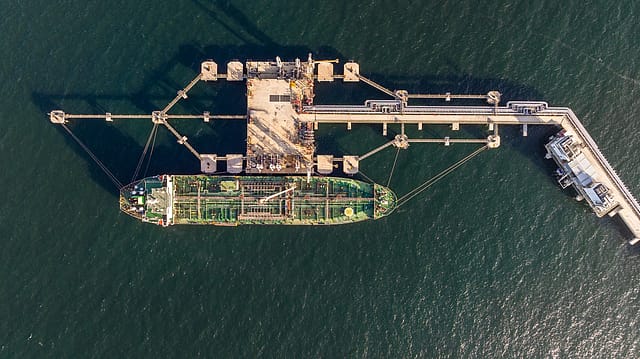
Global crude oil prices fell by more than 3% today, extending weekly losses to nearly 11%, as uninterrupted tanker movements through the Strait of Hormuz eased fears of supply disruptions following the Iran-US ceasefire.
Brent crude futures settled at $71.99 a barrel, down $3.27, or 4.34%, while US West Texas Intermediate (WTI) crude ended at $69.23 a barrel, falling $2.69, or 3.74%.
For the week, Brent declined 10.86%, while WTI lost 9.62%, marking one of the steepest weekly falls in recent months. Markets were closed last Friday for a public holiday.
The sharp correction reflects improving confidence that oil supplies will continue flowing through the Strait of Hormuz, one of the world's most critical energy chokepoints.
The markets had earlier priced in the risk of supply shortages amid escalating tensions between Iran and Israel. However, those concerns have largely faded following the 60-day ceasefire agreement, shifting attention back to the prospect of ample global supplies.
Adding to expectations of stronger supplies, Saudi Aramco resumed crude loading at its Ras Tanura export terminal on Friday after a nearly four-month pause, according to LSEG shipping data. Two very large crude carriers (VLCCs), each capable of transporting about 2 million barrels of oil, loaded cargoes at the terminal while another awaited its turn.
Security risks persist
Despite the easing supply concerns, geopolitical risks remain elevated.
On Thursday, both Brent and WTI had rallied more than 2% after a cargo vessel was hit by an unidentified projectile near Oman, prompting the United Nations' shipping agency to suspend its voluntary evacuation programme in the area.
Two US officials told Reuters that Iran fired on the vessel as it attempted to transit the Strait of Hormuz. Iran, however, reiterated on Friday that it retains the right to regulate shipping through the strategic waterway and warned Gulf nations against aligning with the US.
Shipping data released on Thursday showed crude flows through the Strait of Hormuz climbed this week to their highest level since the US-Israel conflict with Iran began in late February. Although the ceasefire has enabled traffic to recover, vessel movements remain below pre-conflict averages.