
Market remains in consolidation mode; Sensex tumbles 10% in H1CY26, broader markets outperform
ADVERTISEMENT
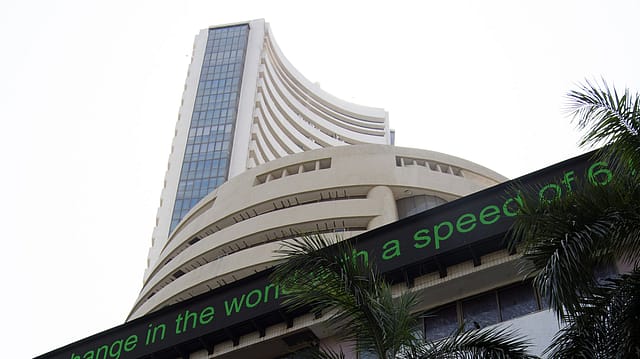
Indian equities remained in consolidation mode, with benchmark indices ending lower on the last trading day of June as investors awaited fresh domestic and global triggers. Persistent foreign portfolio outflows, global trade uncertainties, concerns over corporate earnings amid weak monsoon, and a cautious risk appetite kept investors on the sidelines.
The Sensex fell 0.33% to close at 76,478 on Tuesday, while the Nifty50 slipped 0.34% to 23,865.75, dragged down by information technology and PSU banking stocks. Realty, pharma and consumer durables, however, bucked the trend to end in the green.
With this, the benchmark indices - the Sensex and Nifty - have fallen around 10% in the first half of calendar year 2026. The 30-share Sensex declined 10.2%, while the Nifty50 lost 8.6%, weighed down by geopolitical tensions in West Asia, concerns over global growth and uncertainty surrounding the US interest-rate trajectory.
Broader markets, however, remained resilient, with the Nifty Midcap 100 gaining 2.2% and the Nifty Smallcap 100 advancing 6.5%.
The IT sector bore the brunt of the selling. The Nifty IT index tumbled 30.6% in H1CY2026, marking its steepest first-half decline in 23 years as concerns over prolonged higher US interest rates clouded the outlook for technology spending.
Market likely to remain range-bound
Analysts expect the market to remain range-bound until fresh catalysts emerge. "The domestic market remained in a consolidation phase, trading within a narrow range," said Vinod Nair, Head of Research at Geojit Investments. While geopolitical concerns have eased, he said the fragile US-Iran peace arrangement continues to keep investors cautious.
According to Nair, the market's next move will depend on a mix of domestic and global factors. Investors are closely tracking US employment data and signals from the Federal Reserve on interest rates, while domestically, focus has shifted to the progress of the monsoon and the upcoming Q1FY27 earnings season.
He cautioned that the current monsoon trend, pointing to the worst rainfall deficit in a decade, could hurt agricultural output and rural demand, adding to concerns over a subdued earnings season. At the same time, stable crude oil prices, a relatively firm rupee and moderating foreign institutional investor (FII) outflows are expected to provide support to equities, particularly large-cap stocks.
Siddhartha Khemka, Head of Research, Wealth Management at Motilal Oswal Financial Services, said geopolitical uncertainties in West Asia, rupee weakness and profit booking in IT stocks continued to weigh on investor sentiment despite softer crude oil prices.
He added that concerns over prolonged higher US interest rates have kept pressure on technology stocks, while lower oil prices and policy support for electric vehicles could provide a favourable backdrop for automobile companies.
Ajit Mishra, SVP – Research, Religare Broking, said expectations of higher-for-longer interest rates in the US continued to weigh on technology stocks. The IT pack witnessed broad-based selling amid concerns that elevated borrowing costs could delay discretionary spending by global clients.
"However, the continued decline in crude oil prices and improving domestic macroeconomic indicators, including a strengthening rupee, helped cushion the overall market sentiment," he said.
Going forward, market direction is likely to be driven by the progress of the monsoon, Q1FY27 corporate earnings, crude oil prices and FII flows, which will determine whether equities can break out of the current consolidation phase or remain range-bound.
(DISCLAIMER: The views and opinions expressed by investment experts on fortuneindia.com are either their own or of their organisations, but not necessarily that of fortuneindia.com and its editorial team. Readers are advised to consult certified experts before taking investment decisions.)