
US eases Iran oil sanctions as peace talks progress; Brent crude falls to $78 per barrel
ADVERTISEMENT
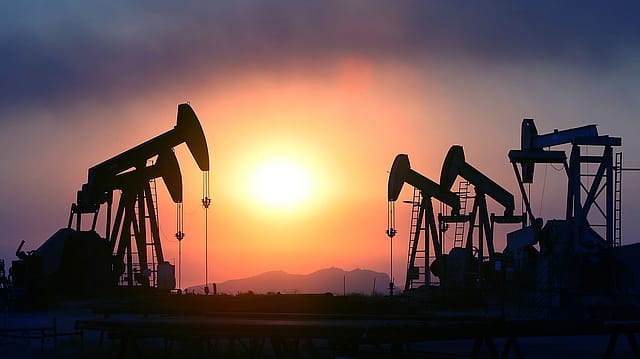
The US has partially lifted sanctions on Iranian oil exports after what officials described as "productive" talks with Tehran, triggering a sharp decline in global oil prices on expectations that additional Iranian crude could return to the market.
The US Treasury on Monday issued a 60-day sanctions waiver permitting the production, delivery and sale of Iranian oil, a key provision of the memorandum of understanding (MoU) signed between Washington and Tehran on June 17. The move follows talks in Switzerland aimed at securing a broader peace agreement after weeks of conflict in the region.
Announcing the waiver, US Treasury Secretary Scott Bessent said progress had been made on several commitments agreed under the framework.
"Iran has committed to free and open transit in the Strait of Hormuz and to permit International Atomic Energy Agency (IAEA) inspectors into their country," he wrote in a post on X.
“As part of the framework, the Treasury has issued a temporary 60-day general licence authorising the production, delivery and sale of Iranian oil,” he added.
Oil markets react to supply prospects
The prospect of increased Iranian oil supplies pushed Brent crude prices down more than 3% on Monday, as traders reassessed supply risks that had intensified during the recent US-Israel-Iran conflict. Oil prices recovered modestly on Tuesday, with Brent crude futures rising 24 cents to $78.15 per barrel and US West Texas Intermediate gaining 33 cents to $74.19 per barrel.
The sanctions relief came amid optimistic assessments from US and regional officials involved in the negotiations. US Vice President JD Vance said talks between Washington and Tehran had made significant progress.
"We laid a very good foundation for a successful final deal," Vance told reporters after negotiations at Switzerland's Burgenstock resort.
"The final deal is the house," he added. "We haven't built the house, but we've laid a successful foundation to get to a good place for the American people."
Vance also said Iran had agreed to allow IAEA inspectors to return to the country, calling the move "a major milestone... and the first step in permanently denuclearising" Iran.
Roadmap for a broader peace deal
Pakistan and Qatar, which mediated the talks, said negotiators had agreed on a "roadmap towards reaching a final deal within 60 days" and that "encouraging progress has been made," including the creation of a communication channel to avoid incidents in the Strait of Hormuz.
Iranian Foreign Ministry spokesman Esmaeil Baqaei struck a more cautious tone, saying, "A very brief discussion took place regarding the nuclear issue, but there was no discussion of details."
US President Donald Trump also signalled confidence in the negotiations, saying the Strait of Hormuz was now "totally open" to shipping and reiterating that Iran would not be allowed to acquire nuclear weapons.