
East India’s real estate market marches towards 2026 with steady momentum through affordable demand and infrastructure-led growth
ADVERTISEMENT
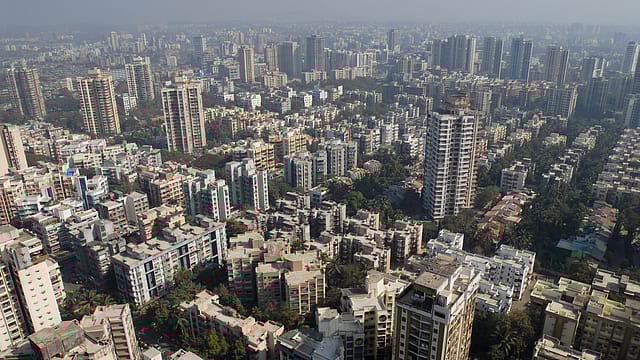
East India’s real estate rewrote the growth playbook in 2025 by turning rail tracks, ring roads, and PMAY units into the new currency of opportunity. While other regions chased premium spikes, the East stitched together affordability, absorption, and connectivity—converting every launch into steady demand. Kolkata led with balanced supply, Bhubaneswar and Guwahati gained from infrastructure, and Tier II cities like Patna and Ranchi showed that disciplined growth builds lasting momentum. This was the year the East built progress that will outlast the market cycle.
Sustained launches fuel affordable and mid-segment core
Kolkata emerged as the region’s demand hub in 2025. Q3 alone witnessed 5,122 residential units launched, marking an 81% quarter-on-quarter increase, with 79% concentrated in peripheral submarkets. In the quarter, sales reached 4,890 units, which was up 56% sequentially and 4% annually despite a Q1 dip of 31% year-on-year.
Reflecting the needs of urban migrants and young professionals, affordable housing claimed 45% of supply and 39% of mid-range inventory. Metro expansions and road upgrades directly supported this absorption, keeping inventory at a manageable 11–12 months by Q3, which was down from 12–13 months the prior year. Price segmentation stayed robust in the ₹60–90 lakh and the ₹1–3 crore bands, with West Bengal noting rising luxury traction amid ready-to-move preferences.
Guwahati and Bhubaneswar: Infrastructure sparks consistent gains
Guwahati, on the other hand, posted 8-10% annual growth with Q3 sales of around 1,600 units. This alone accounted for a 23% YoY rise. Dispur, Beltola, and Panjabari witnessed a growth in demand for apartments among professionals. This demand is backed by airport upgrades and commercial projects. Bhubaneswar mirrored this with Q3 sales near 1,200 units, which was up 20% annually, where over 80% of primary deals fell in ₹30–60 lakh flats near smart-city corridors and the airport.
Tier II centres: Volume meets rising transaction value
Interestingly, Patna, Ranchi, and Siliguri formed the breadth of eastern resilience. Patna recorded a 22% annual increase with rough sales of 1,100 units in Q3. This growth was driven by highway-adjacent mid-income projects for government employees. While Ranchi saw a growth of 14% with an additional 800 units fuelled by mining growth, Siliguri’s volumes grew 7-8%, with value climbing 12-15% as buyers favoured larger gated units.
Across these markets, sales volume rose 7-8% regionally while transaction value gained 12-15%, signalling a clear upgrade within the affordable and mid brackets. Inventory eased to 9-10 months in Patna and Bhubaneswar and 6-8 months in Siliguri, as developers paced launches to match PMAY-supported demand.
Navigating early dips with policy and absorption focus
The first quarter of the year brought a 31% sales decline in Kolkata amid transitional compliance under GST 2.0, which later rationalised rates from 12% to 8% on under-construction units. This shift resolved mid-year, lifting launches 5-7% in West Bengal and Odisha while refund delays smoothed out.
While the broader market was caught up in headwinds, the East stood unshaken. The Q3 rebounds across states demonstrated adaptability. Developers prioritised timely handovers, smoother paperwork from booking to registrations, and trusted projects, flipping regulatory friction into trust and cutting stock 3-5% in key hubs.
Forces Shaping the Year’s Trajectory
Affordable housing dominated volume, yet premium sales reached 12-15% in Kolkata and 10-13% in Bhubaneswar, up from single digits, drawn by NRIs and gated readiness. Urbanisation spread via NESIDS-sanctioned roads and rail, connecting capitals like Guwahati and Agartala. PMAY Urban 2.0 targets accelerated supply in Imphal and Kohima.
Sustainability gained ground with 14 new IGBC-rated projects: six Platinum/Gold in West Bengal, four GRIHA/IGBC in Odisha, and five mixed in Assam. Infrastructure remained pivotal since the Guwahati airport terminal opened in April 2025, Sivok–Rangpo rail advanced toward 2027, and 4,950 km of highways under NESIDS neared completion. This infrastructural growth unlocked commercial retail and warehousing alongside residential corridors.
Path to 2026: Execution and Early-mover Edge
As we near 2026, East India’s market stands poised for continued balance. Builders have shifted towards on-schedule handovers, eco-compliant townships, and mid-segment innovation. Regardless, policy must sustain momentum through faster land clearances, NESIDS funding, and PMAY extensions to avoid supply gaps.
Though 2025 underlined the region’s potential in accessibility and revival, growth today isn’t merely about units or percentages. It is rather measured in connected communities, green certifications, and investor confidence. East India’s real estate is crafting lasting habitats, rooted in infrastructure and aspiration.
(The author is Vice President, CREDAI. Views are personal.)