
Explained: How Trump's new US student visa rules will affect Indian students from Sept. 15
ADVERTISEMENT
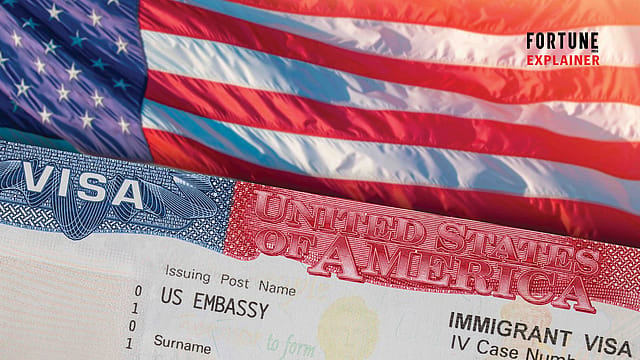
The Donald Trump administration has introduced a major overhaul of the US student visa system that is expected to impact international students, including the large number of Indians who study in the US each year. Beginning September 15, 2026, the US government will replace the long-standing "Duration of Status" (D/S) system with fixed periods of stay for most student and exchange visas.
The new regulations apply to F-1 student visas, J-1 exchange visitor visas, and I visas issued to foreign media representatives. While the administration says the changes are aimed at strengthening immigration oversight, they will require students to monitor their visa status much more closely than before.
What has changed?
Until now, international students admitted on F-1 visas were generally allowed to remain in the US for the entire duration of their academic programme, regardless of whether it lasted two years, four years or longer. This system, known as Duration of Status, also provided a 60-day grace period after completing studies before students were required to leave the country or change their immigration status.
From September 15, 2026, students entering the US will instead be admitted for a fixed period of stay. For most F-1 students, the authorised stay will cover the duration of their academic programme, subject to a maximum limit of four years, followed by a 30-day grace period after graduation.
What if your course takes more than four years?
This is one of the most important changes under the new policy. Many doctoral programmes, research degrees, dual-degree courses and certain integrated programmes typically take longer than four years to complete. Under the revised rules, students enrolled in such programmes will no longer be able to remain in the US automatically until graduation.
Instead, they must apply to the US Citizenship and Immigration Services (USCIS) for an extension before their authorised stay expires or leave the country and seek fresh admission with updated documents.
To obtain an extension, students will have to submit an updated Form I-20, explain why additional time is needed, and demonstrate that they have sufficient financial resources to support themselves during the extended period.
What happens if a student overstays?
The consequences for overstaying become much stricter under the new rules.
Students who fail to obtain an extension before their authorised stay expires will generally begin accruing unlawful presence immediately. If unlawful presence exceeds 180 days, the student could face a three-year ban on re-entering the US. If it exceeds one year, the re-entry ban could extend to 10 years.
An overstay may also affect future visa applications, changes in immigration status and other US immigration benefits.
How will the new rules affect OPT?
Students planning to work in the US after graduation through Optional Practical Training (OPT) or STEM OPT will also need to be more careful with immigration timelines.
Students already in the US before September 15, 2026, may continue to benefit from the existing Duration of Status framework for certain OPT applications under transitional provisions. However, those entering after the new rules come into force may need not only employment authorisation but also an extension of stay if their authorised admission expires before their OPT period ends.
Can students still change their major?
The new regulations also tighten rules governing academic flexibility. Undergraduate F-1 students generally will not be allowed to change their major, programme or educational level during their first year of study unless the Student and Exchange Visitor Program (SEVP) grants an exception in extraordinary circumstances, such as a natural disaster or institutional closure.
Graduate students face even stricter rules. They generally will not be permitted to change their programme, major or educational level during their course of study. Transfers to another institution will only be allowed under exceptional circumstances.
Can students pursue another degree after graduation?
The final rule also introduces restrictions on pursuing another academic programme after completing a degree. Students completing a course of study will generally not be allowed to enrol in another programme at the same or a lower educational level.
However, the government has created an exception for students who completed their earlier programme before September 15, 2026. Such students may still be eligible to pursue another programme at the same or a lower educational level.
Why is this important for Indian students?
India is among the largest sources of international students in the US, with hundreds of thousands enrolled in undergraduate, postgraduate and doctoral programmes. A significant number also remain in the US after graduation through OPT and STEM OPT work authorisation.
The new rules mean Indian students will need to plan their academic schedules more carefully, especially if they are enrolled in programmes that extend beyond four years or intend to work in the US after graduation. Missing extension deadlines or overstaying authorised periods could result in severe immigration penalties, including long-term bans on re-entering the country.