
Mumbai property registrations top 80,000 in H1 2026, highest first-half tally in 13 years; June hits 14-year peak: Knight Frank India
ADVERTISEMENT
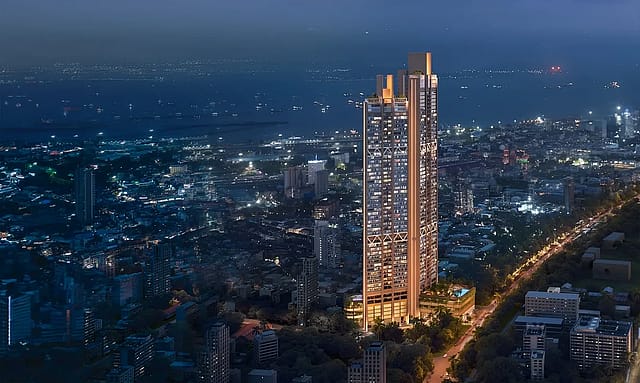
Mumbai's residential property market continued to defy expectations in the first half of 2026, with property registrations crossing the 80,000 mark for the first time since 2013, even as stamp duty collections remained largely stable, pointing to a broader participation across buyer segments rather than a surge in high-value deals.
According to Knight Frank India, Mumbai (under the BMC jurisdiction) recorded 80,221 property registrations across primary and secondary markets during January-June 2026, up 6% from 76,060 registrations in the corresponding period last year. The Maharashtra government collected ₹6,968 crore in stamp duty during the six-month period, a 4% year-on-year increase, making H1 2026 the strongest first-half performance for both registrations and revenue in over a decade.
June registers strongest performance in 14 years
The momentum extended into June, with an estimated 13,302 property registrations, marking a 15% year-on-year increase and the highest registrations for the month in the past 14 years. Stamp duty collections for the month are estimated at ₹1,077 crore, up 4% from a year ago. Compared with May 2026, registrations rose 7%, while stamp duty revenue increased 2%, reflecting continued resilience in the city's housing market.
While registration volumes continued to expand, the slower pace of growth in stamp duty collections suggests that the average transaction value moderated during the period. Knight Frank said the divergence indicates a larger share of transactions taking place in the mid-market housing segment, broadening the demand base beyond premium residential properties.
End-user demand remains resilient
Shishir Baijal, International Partner, Chairman & Managing Director, Knight Frank India, said June's performance was particularly significant as it came on the back of a high base in the previous year. "Mumbai's residential market has maintained its strong momentum, with June 2026 recording the highest property registrations for the month in the past 14 years," he said.
Baijal noted that the continued rise in registrations during H1 2026 reflects resilient end-user demand and sustained homebuyer confidence. While stamp duty collections remained relatively stable compared with last year, indicating some moderation in average transaction values, the steady growth in registrations suggests housing demand is becoming more broad-based across buyer categories rather than being concentrated in high-value transactions. According to him, this underlines the depth and resilience of Mumbai's residential property market.