
Sam Altman’s AI is on fire—Studio Ghibli trend is melting GPUs and pushing OpenAI, ChatGPT to its limits
ADVERTISEMENT
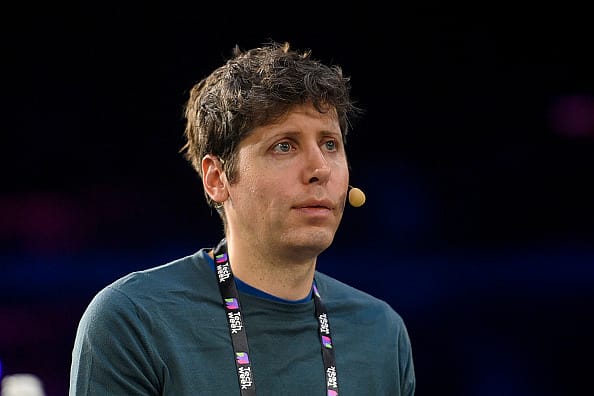
Artificial intelligence and anime have collided in an unexpected way, and OpenAI CEO Sam Altman is feeling the heat—literally. As users flood ChatGPT with requests for Studio Ghibli-style images using the latest GPT-4o model, the surge in demand has pushed OpenAI’s GPU infrastructure to its limits, forcing the company to impose temporary restrictions.
The trend began when users discovered that GPT-4o’s latest image update could generate images reminiscent of the iconic Japanese animation studio’s signature aesthetic. The results were stunning—dreamlike landscapes, expressive characters, and soft watercolour-style visuals that instantly captivated social media. The demand for these AI-generated images skyrocketed, turning what was once a niche experiment into a full-blown viral sensation.
Altman took to X (formerly Twitter) to address the situation, revealing that OpenAI’s GPUs were “melting” under the strain. “It’s super fun seeing people love images in ChatGPT,” he wrote. “But our GPUs are melting.” He announced that temporary rate limits would be introduced to make the system more efficient, with free-tier users soon being limited to just three image generations per day.
“We are going to temporarily introduce some rate limits while we work on making it more efficient. hopefully won't be long! ChatGPT free tier will get 3 generations per day soon,” Altman wrote further.
The move underscores the massive computing power required to sustain OpenAI’s multimodal AI capabilities. Unlike text-based interactions, image generation is significantly more resource-intensive, and the viral popularity of Ghibli-style art has put unexpected pressure on OpenAI’s infrastructure. The company is now scrambling to optimize its systems while also working to resolve another issue: overly restrictive moderation, which has resulted in some image requests being blocked erroneously.
This is not the first time AI-generated art has gone viral, but it highlights a growing challenge in the AI space—balancing accessibility with technical feasibility.
Meanwhile, on the internet, as the Studio Ghibli trend spread like wildfire, many different artists and designers have also condemned the trend, with many saying that it destroys the artform’s true meaning. Also, an old video of Ghibli’s founder, Hayao Miyazaki, known for classic animated films like Spirited Away and My Neighbour Totoro, also went viral. In that video, the celebrated artist is seen opining that AI can never replace human art and design.
“I can't watch this stuff and find [it] interesting. Whoever creates this stuff has no idea what pain is whatsoever. I am utterly disgusted. If you really want to make creepy stuff, you can go ahead and do it. I would never wish to incorporate this technology into my work at all," he said.