
Explained: Trump tightens birthright citizenship rules—what it means for Indians
ADVERTISEMENT
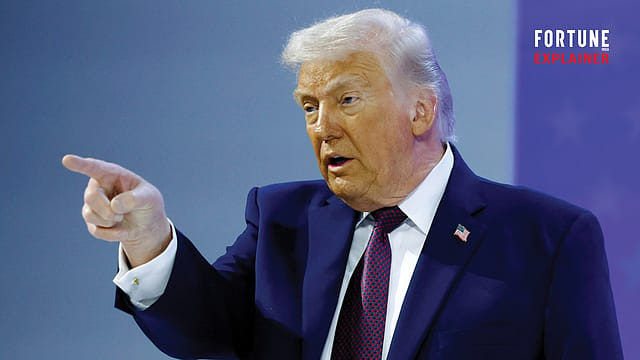
United States President Donald Trump has renewed his push to tighten US immigration rules by signing two executive orders targeting birth tourism and expanding the categories of people the administration says should not qualify for birthright citizenship.
The move comes weeks after the US Supreme Court struck down his earlier executive order that sought to end automatic citizenship for certain children born in the US, forcing the White House to adopt a narrower legal approach.
While the latest orders do not abolish birthright citizenship, they seek to carve out additional exceptions under the administration's interpretation of the law. Immigration experts, however, argue that the measures remain unconstitutional and are likely to face another round of legal challenges.
What do the new executive orders say?
The first executive order targets commercial birth tourism, a practice in which pregnant women travel to the US primarily to give birth, so their child automatically becomes an American citizen. The order seeks to deny citizenship-related documentation where authorities determine that the mother travelled through a commercial arrangement specifically to give birth in the US.
The second executive order broadens the categories of individuals whom the administration considers ineligible for birthright citizenship. These include children of foreign nationals lobbying on behalf of foreign governments, children of foreign government employees, children of people associated with terrorist organisations, and children born in the US territories where citizenship is not conferred under federal law.
Unlike Trump's earlier executive order, which broadly targeted children born to undocumented immigrants and temporary visa holders, the new measures focus on specific categories that the administration argues fall outside constitutional protection.
Why has Trump issued fresh orders?
The latest executive actions follow the US Supreme Court's June 30 ruling, which struck down Trump's previous order seeking to restrict birthright citizenship. The court reaffirmed the long-standing interpretation of the Fourteenth Amendment, under which nearly everyone born on US soil automatically becomes an American citizen.
Speaking after signing the orders, Trump criticised the court's decision and said the administration was changing its legal strategy. "We had a very unfortunate decision in the Supreme Court concerning birthright, it was close, but a very, very unfortunate decision. So we're making adjustments," Trump told reporters at the Oval Office.
Referring to the origins of birthright citizenship, he added, "This was done right after the Civil War. This was for the babies of slaves, and what's happening now? People are building businesses around it."
What does it mean for Indians?
The immediate impact is expected to be limited for most Indians living and working legally in the US, including H-1B visa holders. Following the Supreme Court's ruling, children born in the US to parents holding valid work visas continue to qualify for American citizenship under the Fourteenth Amendment.
However, pregnant women applying for B-1/B-2 visitor visas could face greater scrutiny if officials suspect that the purpose of travel is to give birth in the US. Family members travelling during childbirth may also be asked additional questions or required to provide supporting documents, potentially resulting in longer visa processing times.