The FAQs are AI-generated, and Fortune India is not responsible for its content or any associated copyright issues.
Delhi EV Policy 2026–30: Subsidies cut over 3 years; ₹1 lakh incentive for electric goods vehicles
/ 2 min read
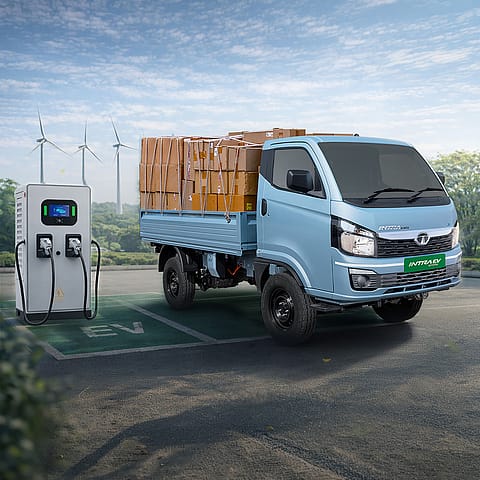
The policy integrates scrappage incentives to drive the replacement of ageing internal combustion engine vehicles
Delhi EV Policy 2026–30: Subsidies cut over 3 years; ₹1 lakh incentive for electric goods vehicles
Delhi’s draft EV Policy 2026–30 marks a shift to market-driven adoption, tapering subsidies over three years while retaining full road tax and registration waivers till March 2030. It prioritises two- and three-wheelers and offers up to ₹1 lakh for electric goods carriers, tying incentives to scrappage to speed replacement of older, polluting vehicles.
This summary is AI-generated, and Fortune India is not responsible for its content or any associated copyright issues.
Draft EV policy proposes phased subsidy cuts, strong scrappage incentives and continued tax waivers to accelerate mass-market adoption while seeking stakeholder feedback
The policy integrates scrappage incentives to drive the replacement of ageing internal combustion engine vehicles
Delhi’s proposed Electric Vehicle (EV) Policy 2026–2030 lays out a calibrated shift in the capital’s clean mobility strategy, combining tapering subsidies with scrappage-led incentives and sustained tax waivers. The framework signals a transition toward market-driven adoption while retaining targeted fiscal support across key vehicle segments, as outlined in the draft notification issued by the Delhi government.
The Transport Department has invited stakeholder feedback within 30 days of the draft’s release, indicating a consultative approach as policymakers fine-tune the next phase of Delhi’s EV roadmap, with a continued focus on curbing vehicular emissions and improving urban air quality.
Phased subsidy cuts reflect policy maturity
The draft introduces a declining incentive structure, pointing to growing confidence in EV cost economics. Electric two-wheelers, capped at ₹2.25 lakh, will be eligible for incentives of ₹10,000 per kWh (up to ₹30,000) in the first year, tapering to ₹6,600 per kWh (₹20,000 cap) in year two and ₹3,300 per kWh (₹10,000 cap) in year three.
A similar glide path is proposed for commercial segments. Electric auto-rickshaws will receive ₹50,000 in the first year, reducing to ₹40,000 and ₹30,000 over the subsequent two years. Electric goods carriers (N1 category) are set to receive the highest upfront support—₹1 lakh in year one—before declining to ₹75,000 and ₹50,000.
“The policy strikes a balance between accelerating demand and maintaining fiscal prudence, with its phased incentives and focus on high-impact segments like two- and three-wheelers,” said Uday Narang. “The TCO advantage, supported by scrappage benefits and tax exemptions, should help drive faster replacement of older, polluting vehicles.”
Scrappage push to accelerate Fleet replacement
The policy integrates scrappage incentives to drive the replacement of ageing internal combustion engine vehicles, strengthening the economics of switching to EVs. Incentives include ₹10,000 for two-wheelers, ₹25,000 for three-wheelers, ₹50,000 for goods vehicles, and up to ₹1 lakh for cars priced below ₹30 lakh.
This dual-benefit structure—linking scrappage with fresh EV purchases—is expected to improve total cost of ownership (TCO) calculations while directly targeting legacy polluters, making the transition both economically and environmentally more effective.
Recommended Stories
Tax Waivers retained, premium segment excluded
While direct subsidies are set to taper, the policy retains 100% exemption on road tax and registration fees for EVs until March 31, 2030. However, these benefits are limited to cars priced up to ₹30 lakh, excluding premium electric vehicles and reinforcing a clear mass-market focus.
Taken together, the draft policy reflects a more measured, fiscally conscious approach—gradually reducing dependence on subsidies while prioritising high-impact segments and embedding scrappage-led demand creation into Delhi’s EV transition strategy.