BRICS Summit triggers six-figure room rates and squeeze in Delhi’s luxury hotels
/ 2 min read
Room shortages and six-figure tariffs at marquee properties highlight how the BRICS Summit is compressing demand and pushing Delhi’s luxury hotel market into overdrive, leaving tourists and business travellers scrambling for alternatives
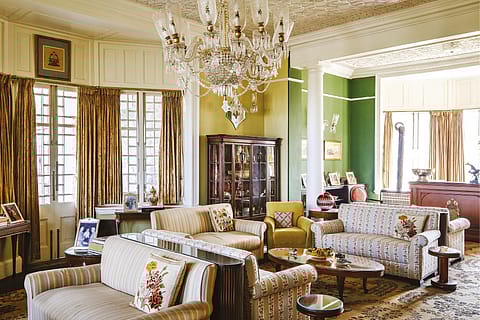
Representative image
Delhi's luxury hotel market is witnessing a sharp squeeze in room availability and a steep surge in tariffs ahead of the BRICS Summit, with several marquee properties either showing no rooms for key dates or quoting rates running into six figures a night.
A check of hotel booking platforms for September 11-13 showed no availability at Taj Mahal and Taj Palace in New Delhi, while The Oberoi, New Delhi, was sold out for portions of the period. The Leela Palace New Delhi was not accepting bookings for the specified dates.
Rooms that were available at properties such as ITC Maurya, New Delhi and Shangri-La Eros New Delhi were commanding exceptionally high tariffs, underscoring the premium being placed on accommodation in the capital around the September 12-13 Summit.
The two-day geopolitical event is effectively compressing demand across several days, as delegates and other visitors arrive ahead of the Summit and extend their stays, putting additional pressure on room inventory in central Delhi.
The development could leave tourists, business travellers and families with pre-planned trips to the national capital facing substantially higher accommodation costs, forcing them to either pay a premium for marquee properties, look for hotels farther from central Delhi, alter their travel dates or opt for lower-priced accommodation.
The BRICS Summit comes at a time when Indian hotels are looking to events-led travel and domestic demand to offset a challenging period for international travel amid geopolitical tensions, including the West Asia conflict.
"September is showing stronger momentum, with average room rates across our portfolio pacing more than 25 per cent higher year-on-year. The upcoming BRICS Summit in New Delhi is contributing to heightened demand, particularly in the days around the event, with shorter booking windows further supporting rate growth," Nikhil Sharma, Managing Director & COO, South Asia, Radisson Hotel Group, told PTI.
We expect demand to remain strong as the summit approaches, with more travellers likely to make last-minute bookings closer to the event dates, he added.
Large international and domestic events are particularly significant for the luxury and Meetings, Incentives, Conferences and Exhibitions (MICE) segments, which typically benefit from concentrated demand for rooms, meeting spaces and other hospitality services.
For Delhi's hotel market, the Summit is therefore emerging as a significant demand catalyst, with the impact most visible in the upper end of the market where room inventory is relatively limited and concentrated around key business and diplomatic districts.
The sharp pricing, however, should not be read as a fixed market rate, as hotel tariffs and room availability are dynamic and can change rapidly depending on bookings, cancellations and inventory released by properties.
{{#most-powerful-women-snapshot-individual.slug}} {{/most-powerful-women-snapshot-individual.slug}} {{^most-powerful-women-snapshot-individual.slug}} {{/most-powerful-women-snapshot-individual.slug}} {{#showRanking}} {{current-rank}} {{/showRanking}} {{#photo.0.url}}
{{name}}
Emails seeking comments from the hotels cited for availability and room tariffs remained unanswered till the time of publication.
Room tariffs and availability are dynamic in nature and subject to change.
NEXT STORY