The FAQs are AI-generated, and Fortune India is not responsible for its content or any associated copyright issues.
Govt directs PSU banks, insurers to cut costs, switch to EVs amid rising pressure from West Asia crisis
/ 2 min read
Finance Ministry asks state-run financial institutions to limit travel, hold virtual meetings, and increase EV usage as part of broader austerity measures
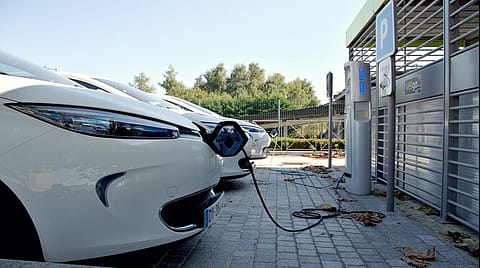
Under the new guidelines, meetings, consultations, and review discussions are to be conducted through videoconferencing unless physical presence is considered necessary. | Credits: Pixabay
The Finance Ministry on Monday directed state-run banks, insurance companies, and financial institutions to adopt a series of cost-cutting measures, including curbs on travel and a phased shift to electric vehicles (EVs), according to an official order reviewed by Reuters.
The directives, issued by the Department of Financial Services (DFS), will apply to major public sector institutions such as State Bank of India, Bank of Baroda, and Life Insurance Corporation of India, along with their employees across the country.
Under the new guidelines, meetings, consultations, and review discussions are to be conducted through videoconferencing unless physical presence is considered necessary.
The order also called for tighter control over foreign travel by senior executives, including chairpersons, managing directors, and chief executive officers. Overseas engagements should be attended virtually wherever possible, while international travel must remain within prescribed limits. In a separate direction, the government asked these organisations to speed up adoption of EVs for official use.
"All organisations may aim at replacing the petrol and diesel vehicles hired by them in their head offices and branch offices by EVs as far as possible," the order said.
The measures come days after Prime Minister Narendra Modi urged government officials to follow austerity measures and exercise restraint in spending amid growing global economic uncertainty.
The government is preparing for possible economic pressures arising from the prolonged conflict in West Asia, which could affect growth, fuel inflation, and put pressure on India’s balance of payments. The Indian rupee has also remained under pressure this year.
As part of broader efforts to reduce expenditure, several state governments have already asked employees to work from home two days a week.
The government is focusing on reducing operational expenses across public sector institutions while also pushing its clean mobility agenda. Increased use of virtual meetings and EVs is expected to help lower fuel, travel, and administrative costs over the long term.
Crude prices may drive India’s retail inflation to 6-7%
Meanwhile, a recent report by Systematix Institutional Research warned that rising wholesale inflation and continued pressure from elevated crude oil prices could drive India’s retail inflation to 6-7% in the second half of FY27. The report also cautioned that the economy may be moving towards a stagflation-like situation, characterised by slower growth, persistent inflation, and increasing stress on the external sector.
Frequently Asked Questions
NEXT STORY